Pre-Greyed Timber Cladding: When is a Sacrificial Coating the Right Choice?
29th July 2026
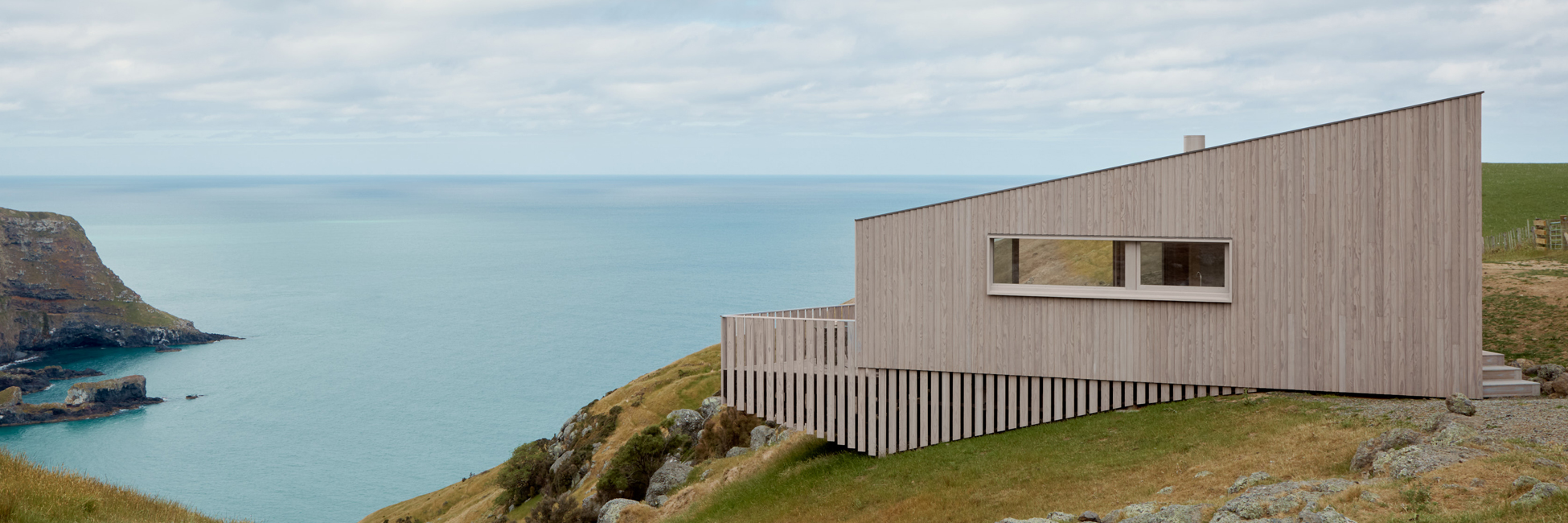
Table of Contents
The soft silver-grey patina seen on mature buildings has become synonymous with timber architecture and is often regarded as one of the material’s most desirable characteristics. However, achieving this established appearance naturally can take several years, leading many homeowners and designers to consider pre-greyed timber.
Understanding how timber cladding will weather is an important part of the design process. It helps determine whether uncoated timber, a coloured wood stain or a pre-greyed sacrificial coating system is the most appropriate solution. The right choice will depend on the desired appearance, the level of ongoing maintenance and how much influence you want over the timber’s long-term weathering.
Understanding how timber cladding weathers
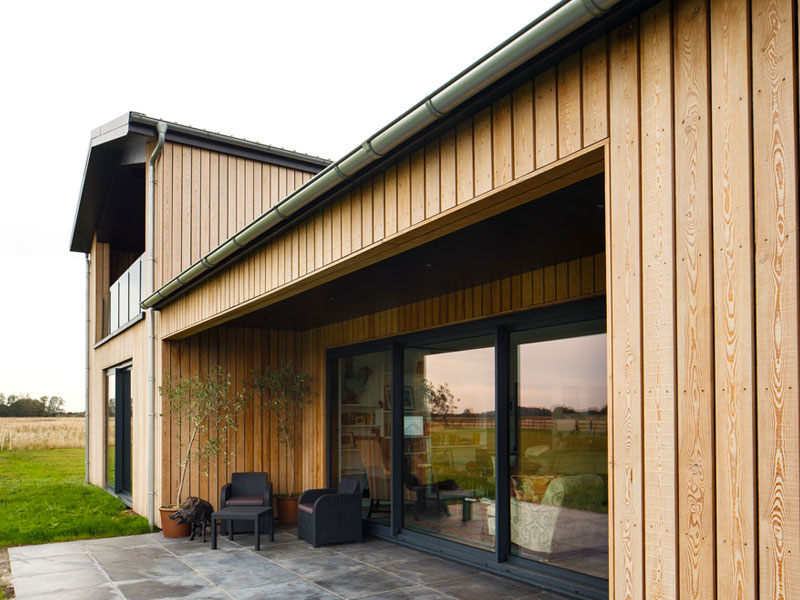
Weathering is a natural process that occurs as timber is exposed to sunlight, moisture and changing environmental conditions. Over time the surface gradually changes colour, developing the silver-grey appearance many projects strive for.
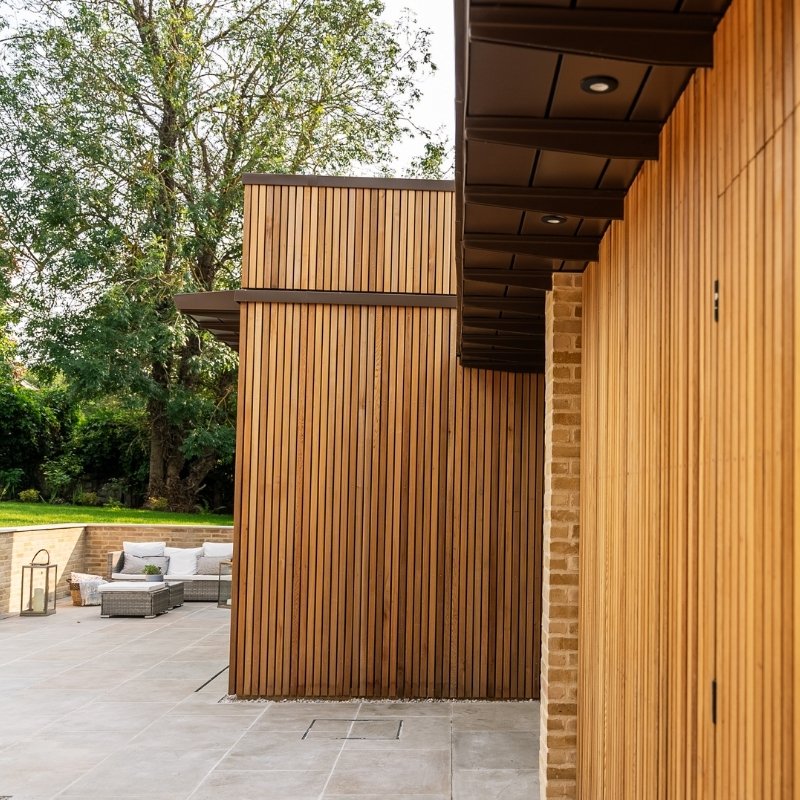
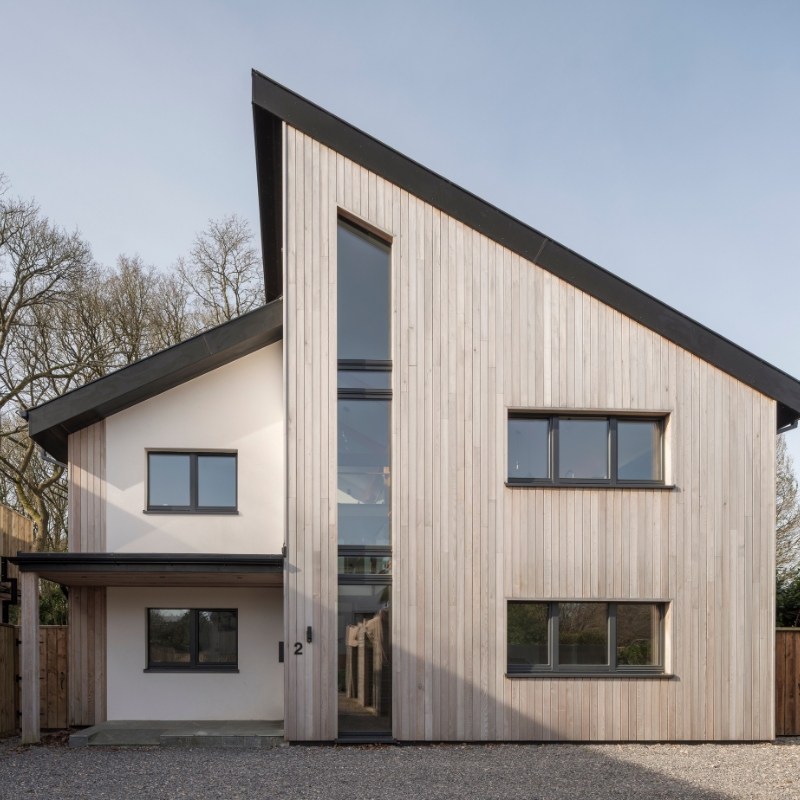
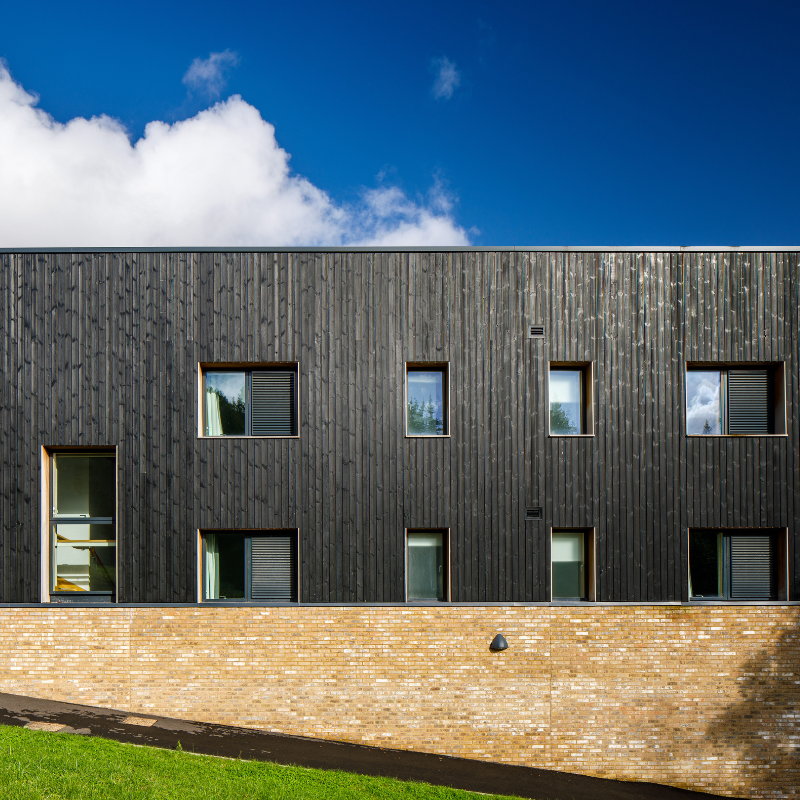
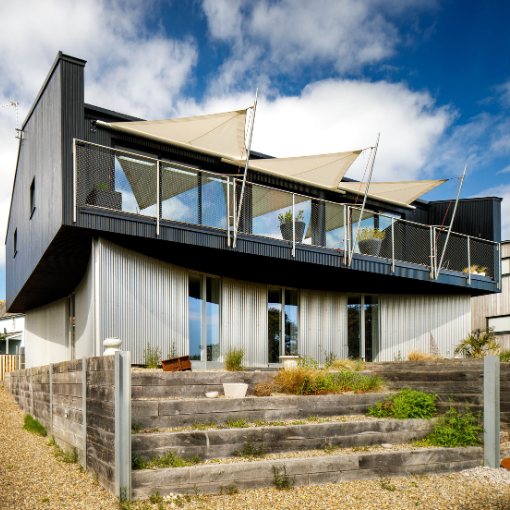
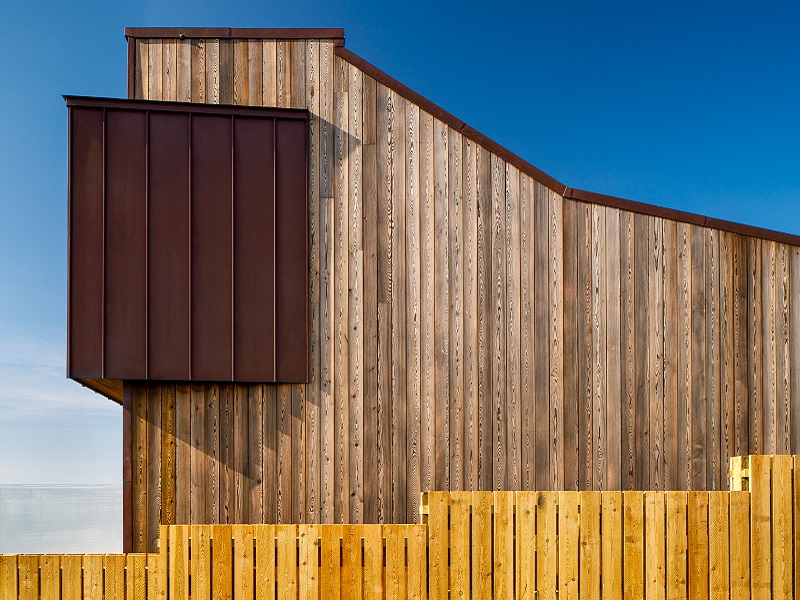
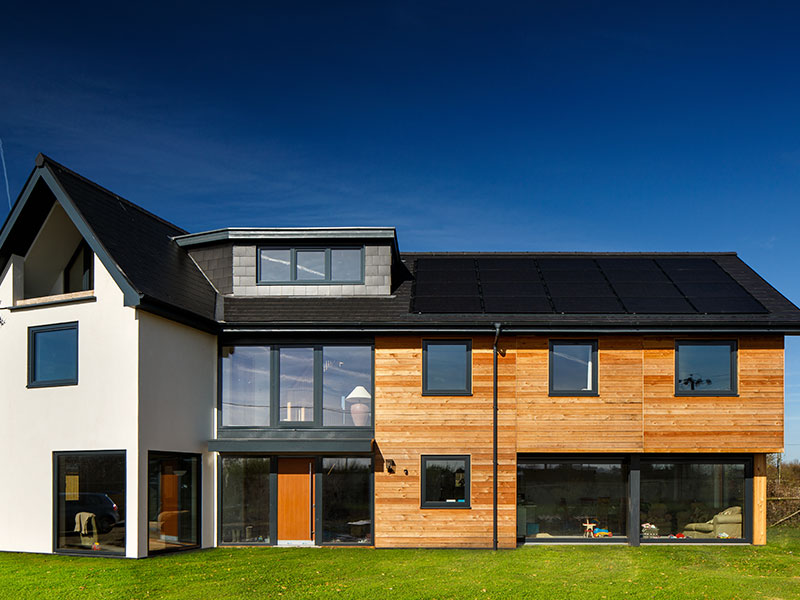
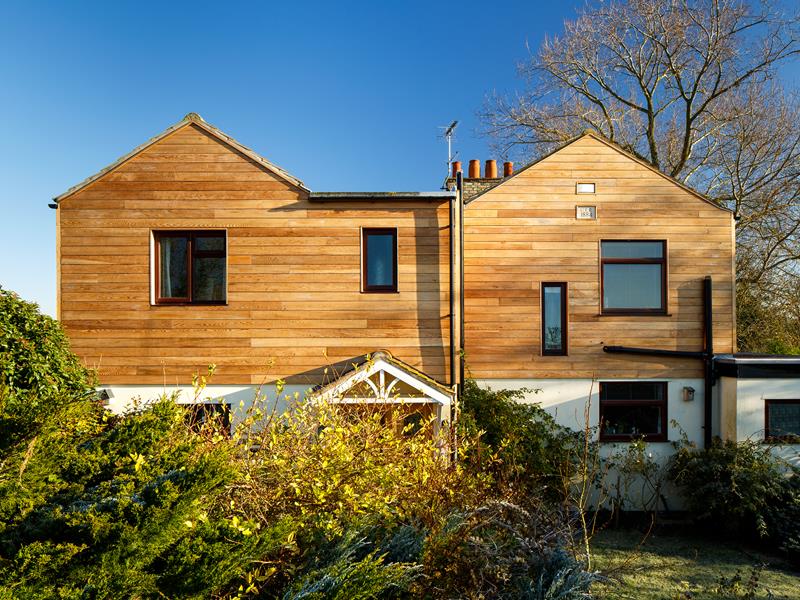
What is sometimes overlooked is that timber rarely weathers at the same rate across an entire building. South and west-facing elevations typically receive greater UV exposure and therefore tend to change colour more quickly. Coastal or exposed rural locations can accelerate the process further, while sheltered areas beneath deep eaves or roof overhangs can take longer to weather.
This variation is entirely natural, but it can result in noticeable visual differences across elevations particularly during the first few years after installation. For projects where a more established appearance is preferred from the outset, sacrificial coating systems offer a practical solution, providing immediate colour while supporting a more consistent weathering transition.
What is pre-greyed timber cladding?
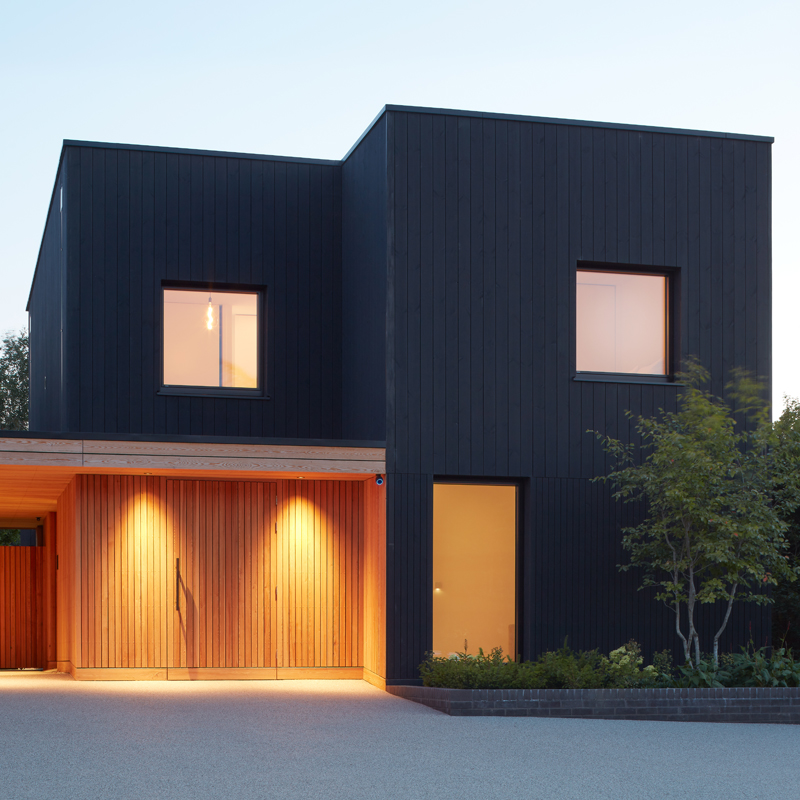
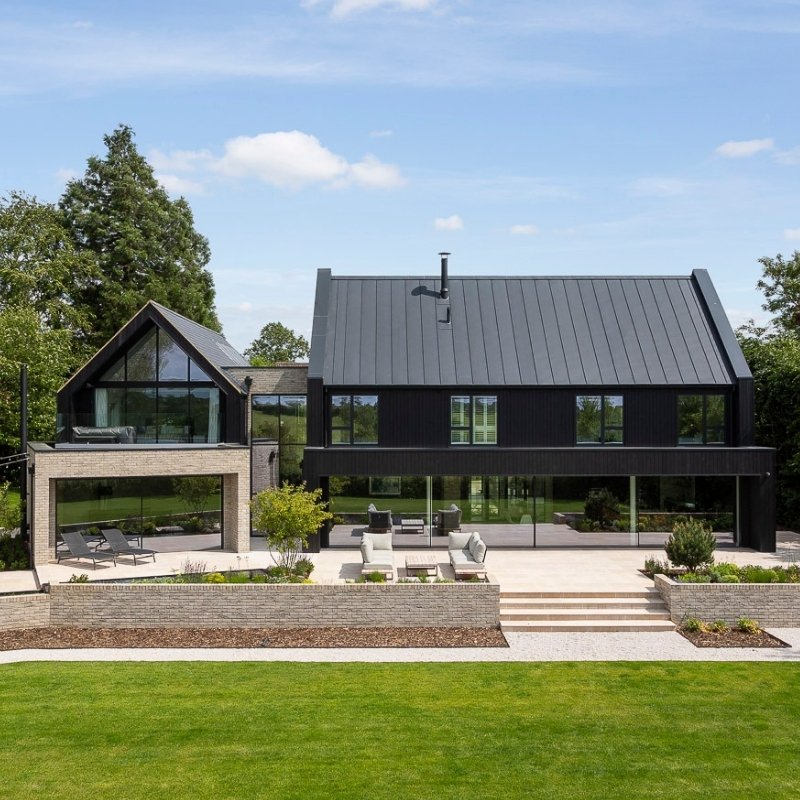
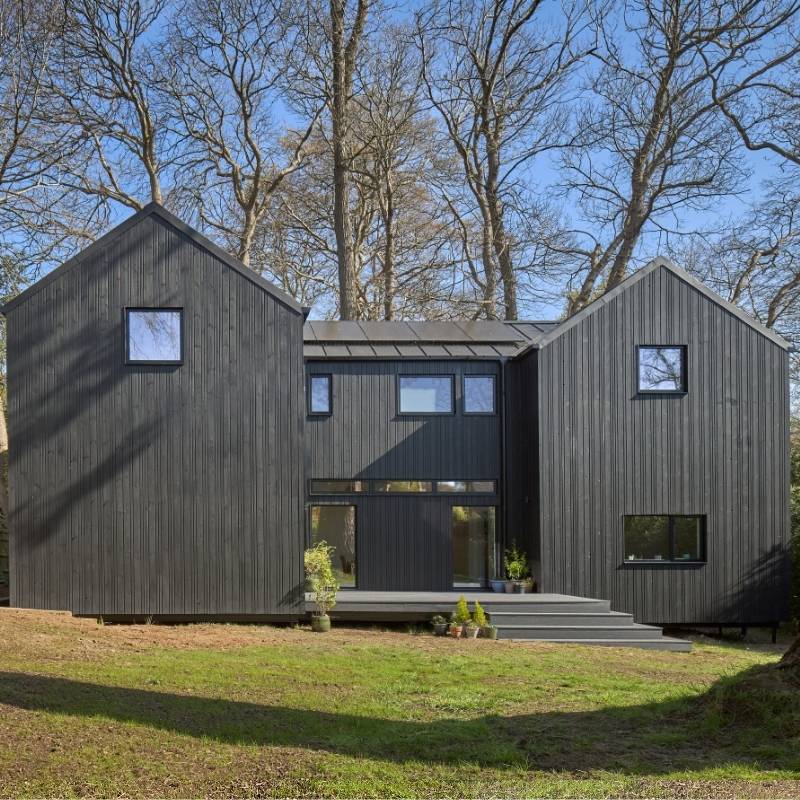
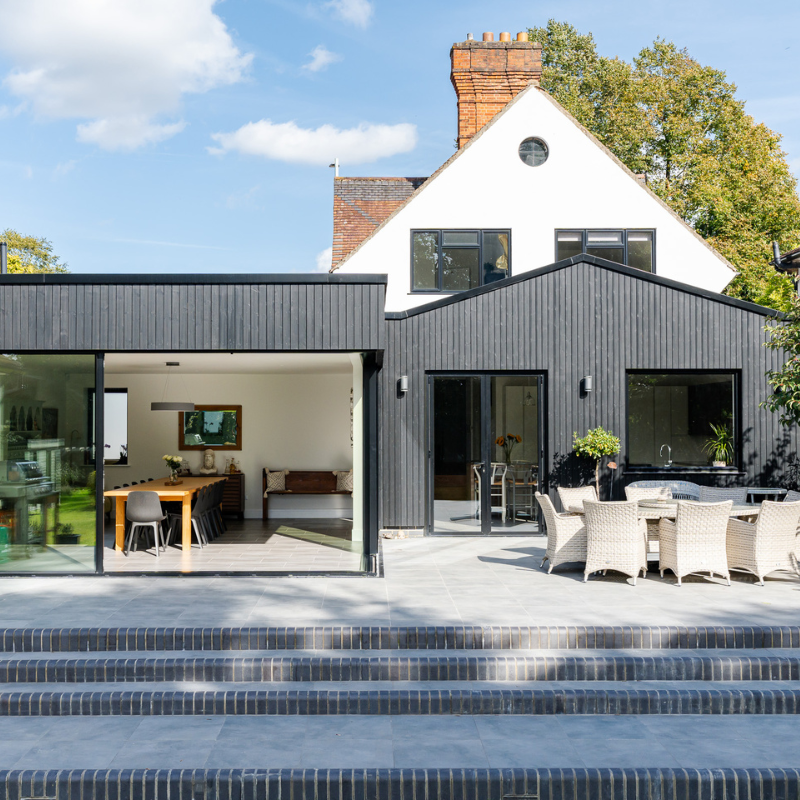
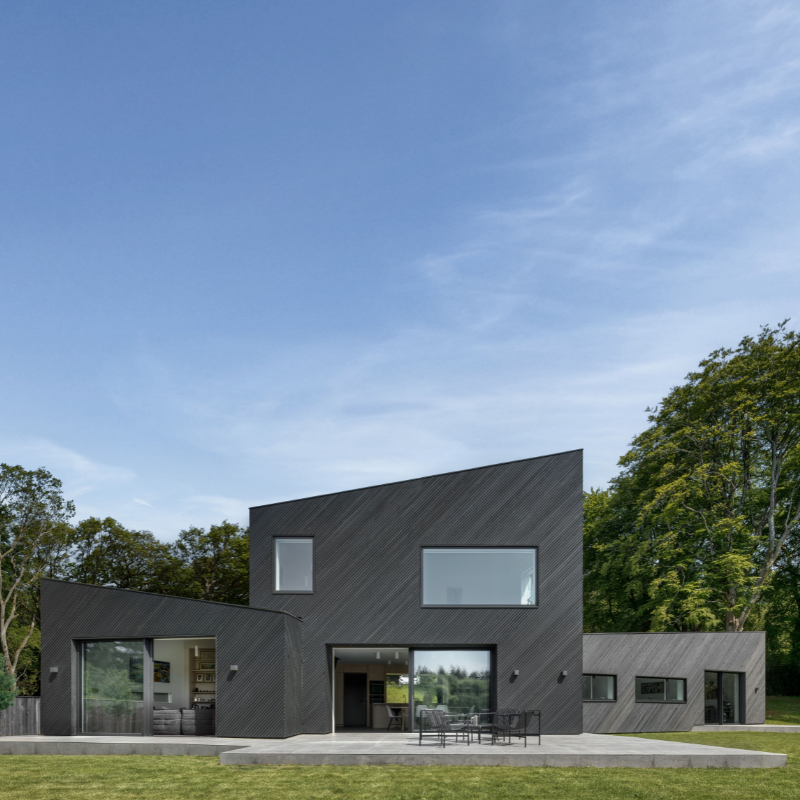
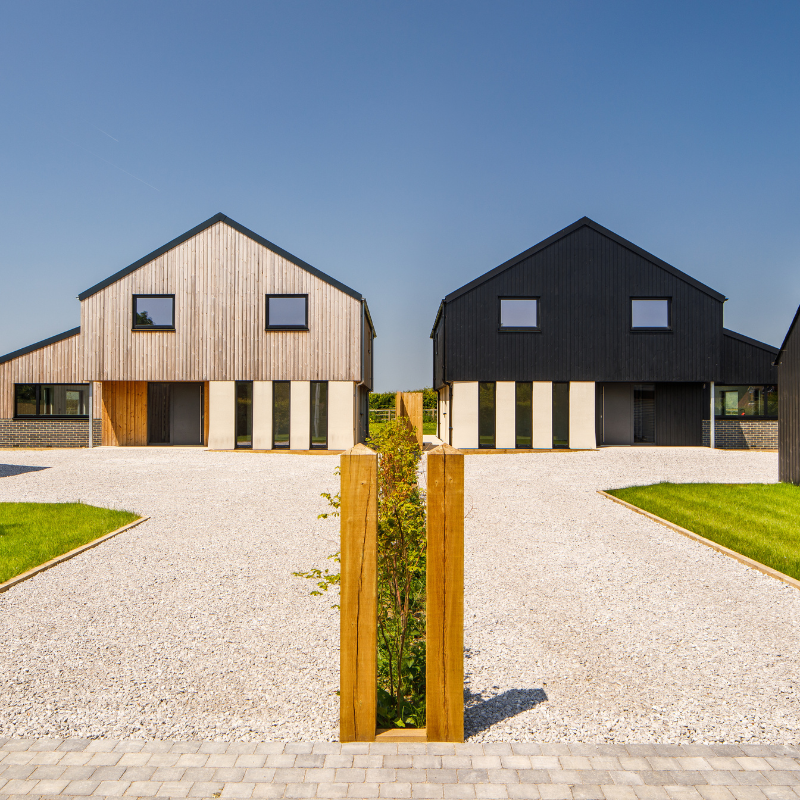
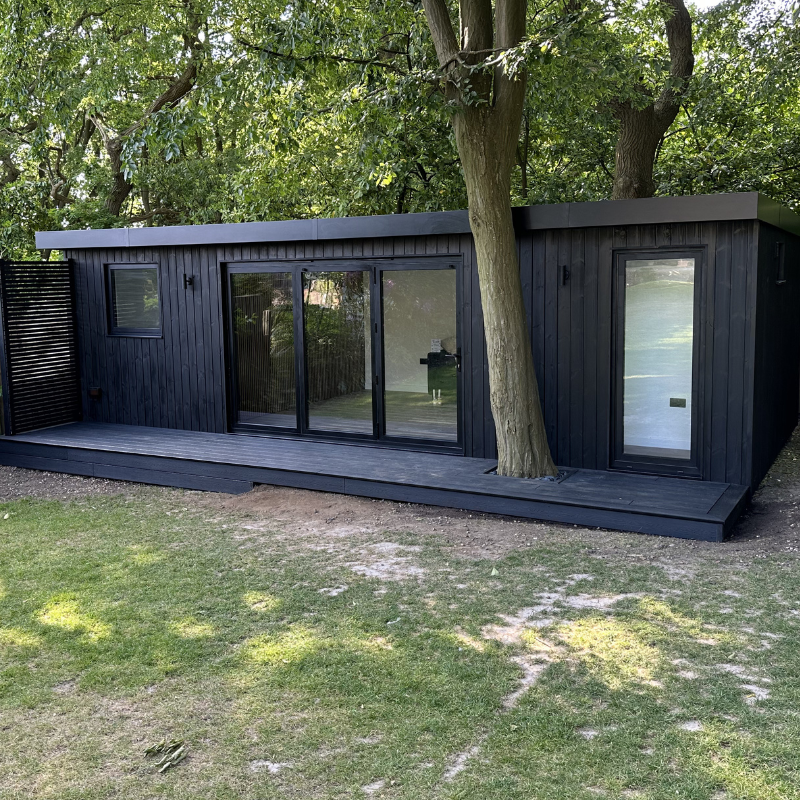
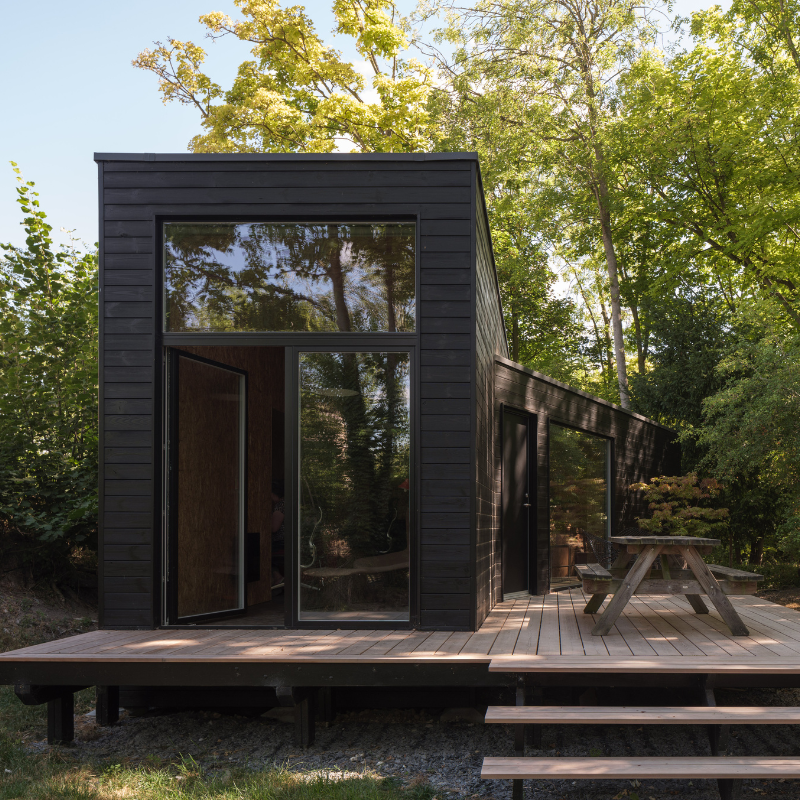
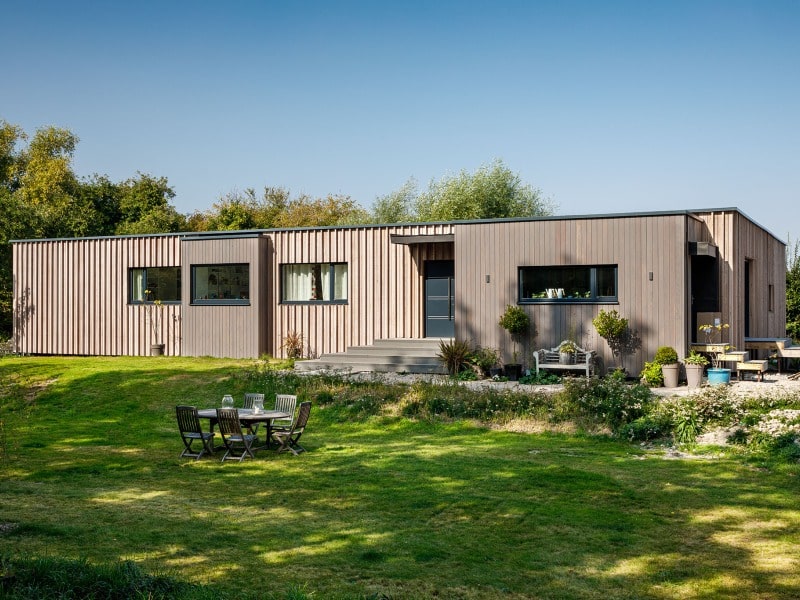
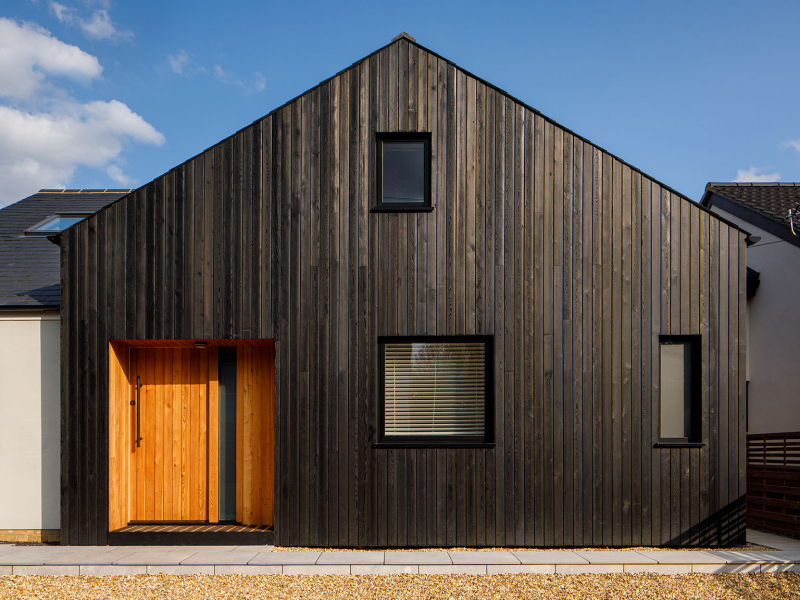
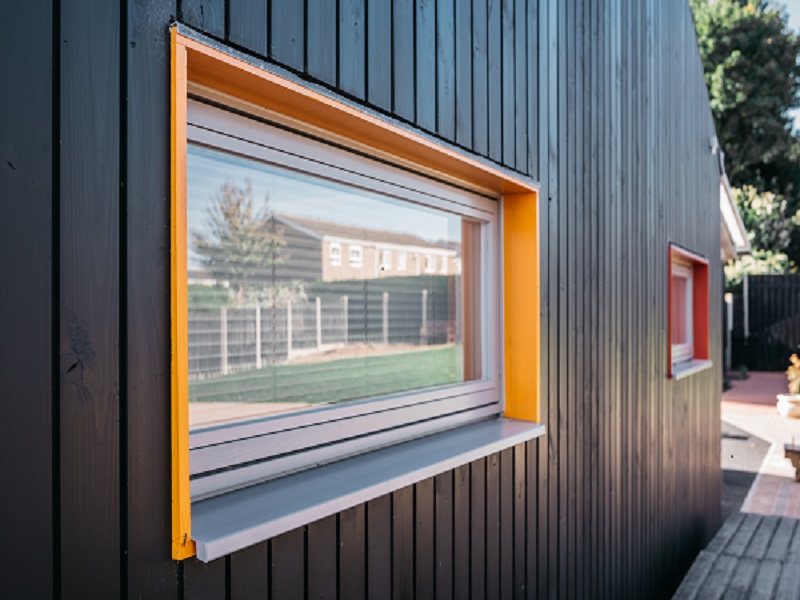
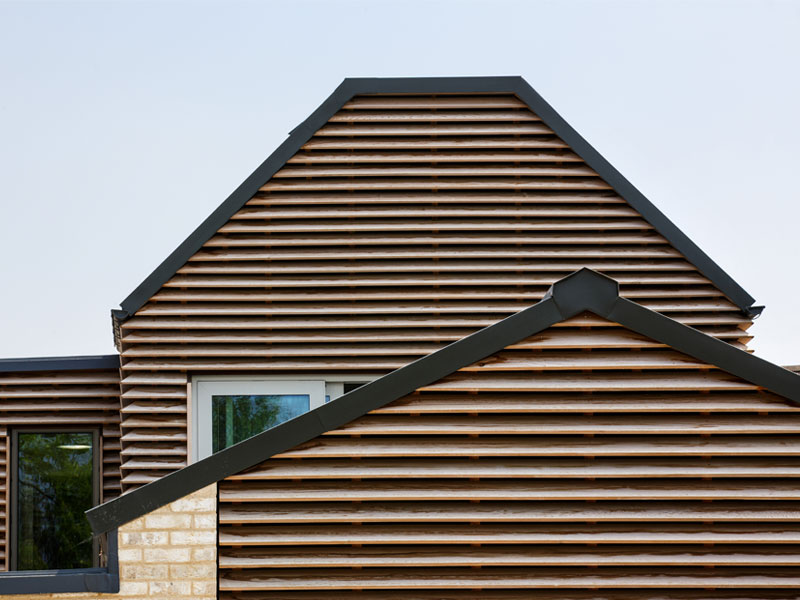
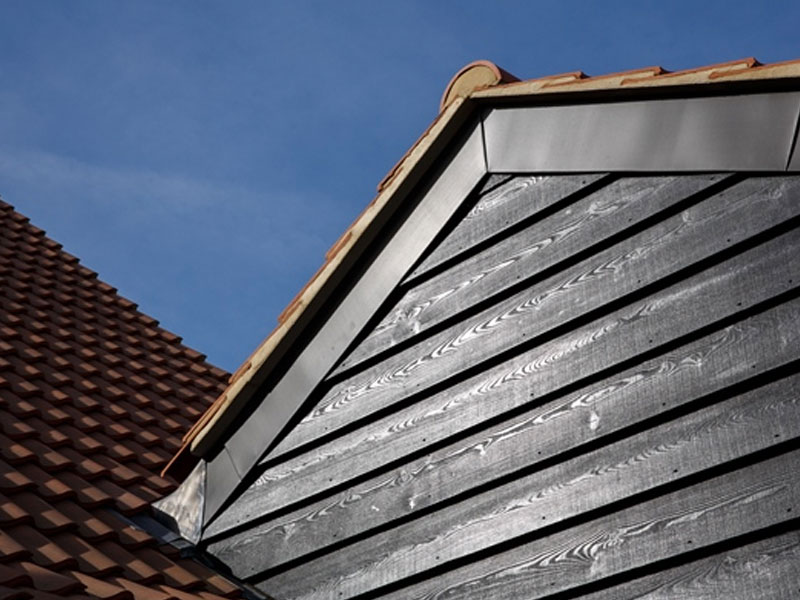
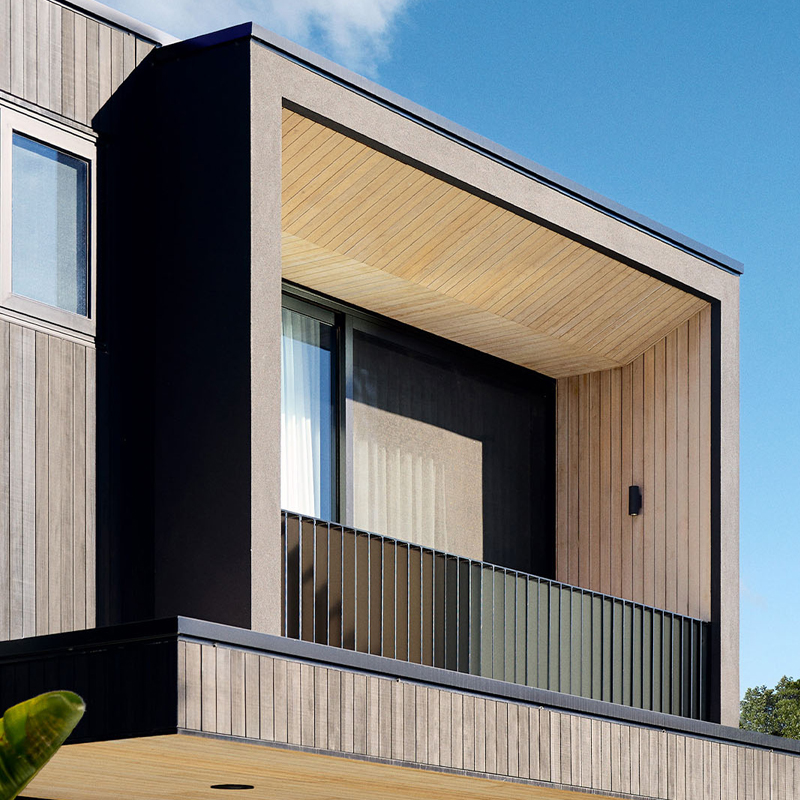
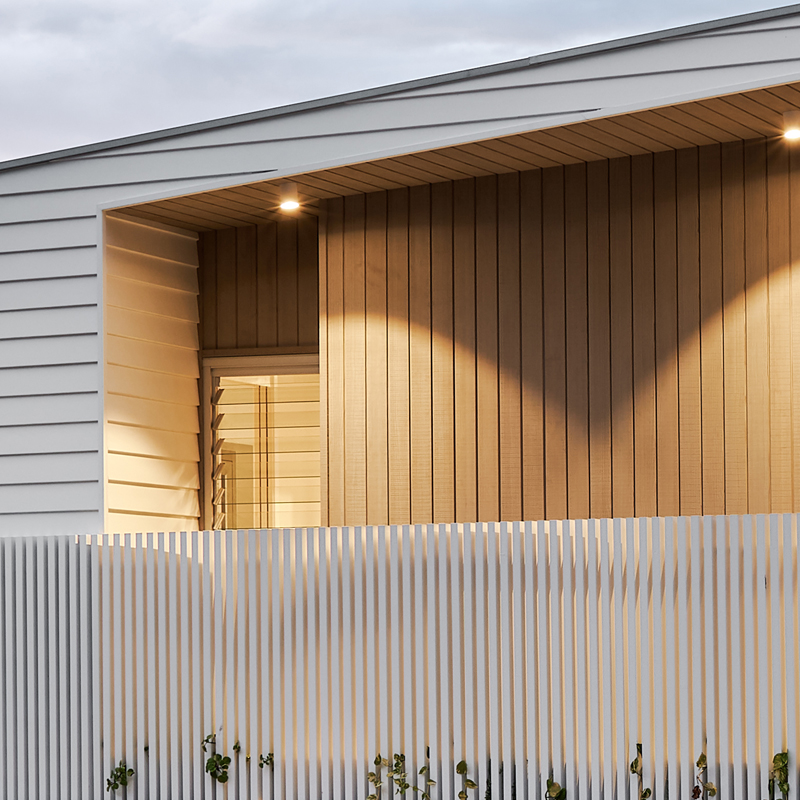
Pre-greyed timber cladding achieves the appearance of naturally weathered timber from day one.
Designed to support the transition from freshly installed timber to a naturally matured façade, sacrificial coatings help to create a more consistent appearance during the weathering process.
Rather than waiting for the cladding to weather, factory-applied finishes recreate the established silver-grey tones typically associated with aged timber. Millworks’ sacrificial coating system, MillProtect™, has been developed specifically to create this weathered appearance while allowing the timber to continue responding naturally to its environment.
How do sacrificial coatings work?
It’s easy to confuse sacrificial coatings with conventional wood stains, but they are designed with different objectives. Wood stains such as MillCoat® are intended to preserve a chosen colour for as long as possible and are maintained to retain that appearance. Sacrificial coatings are designed to gradually fade as the timber develops its own patina, allowing the natural grain and texture to remain visible for a more authentic and controlled transition over time.
Applied as a thin, breathable finish, the coating gradually fades as it is exposed to sunlight and rainfall, while the timber beneath begins its own natural weathering process. Rather than a sudden change from coated timber to bare timber, the two gradually meet, creating a smoother progression towards a mature silver-grey.
This approach also gives homeowners greater flexibility over the long-term appearance of the cladding. Once the coating begins to fade, it can either be left to continue this weathering process, or a simple maintenance coat can be applied to refresh the original pre-greyed colour and extend the established appearance.
Some sacrificial coating systems also provide additional protection during this transition. MillProtect™ contains specialist additives that help protect exterior timber from mould, algae and blue stain fungi. These forms of biological growth can contribute to uneven discolouration, particularly in damp or sheltered areas, so reducing them helps support a cleaner and more consistent appearance as the timber matures.
Design considerations for long-term cladding performance
Whether timber is coated or left untreated, good design and detailing play an important role for both appearance and durability.
While sunlight drives colour change, moisture plays a significant role in how consistently timber weathers and how efficiently it dries after rainfall. Areas that remain damp for longer are more susceptible to biological growth which can affect the uniformity of the elevation. Effective cavity ventilation is essential to help moisture escape, and correct detailing around openings, corners and board ends should be designed to reduce unnecessary moisture exposure.
Installation methods deserve equal consideration. Appropriate fixing systems should support consistent ventilation behind the cladding while allowing for the natural movement of timber. When combined with high-quality factory-applied finishes, these details help deliver the visual quality and long-term performance expected from timber cladding.
Is a sacrificial coating right for your project?
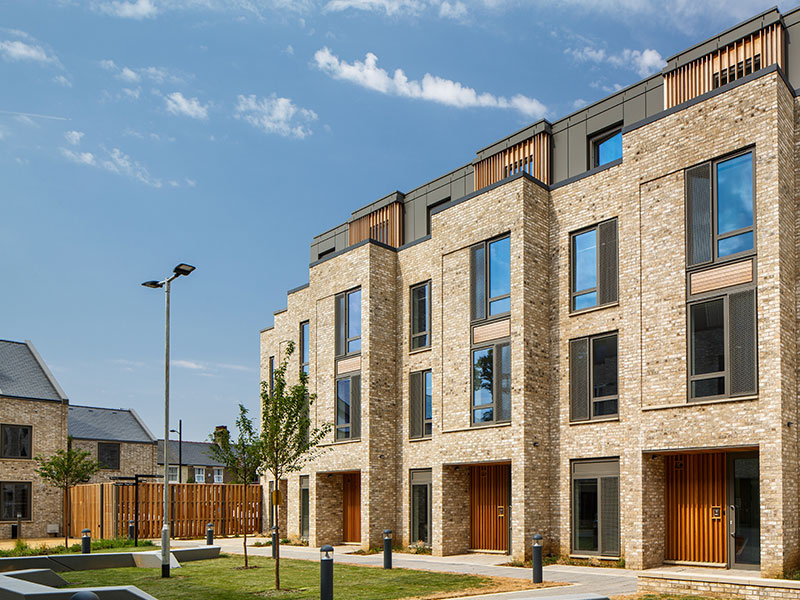
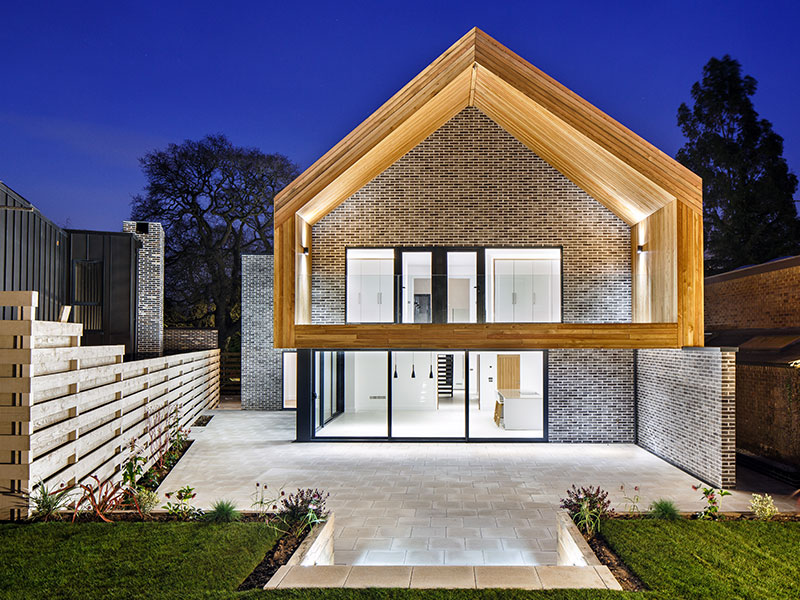
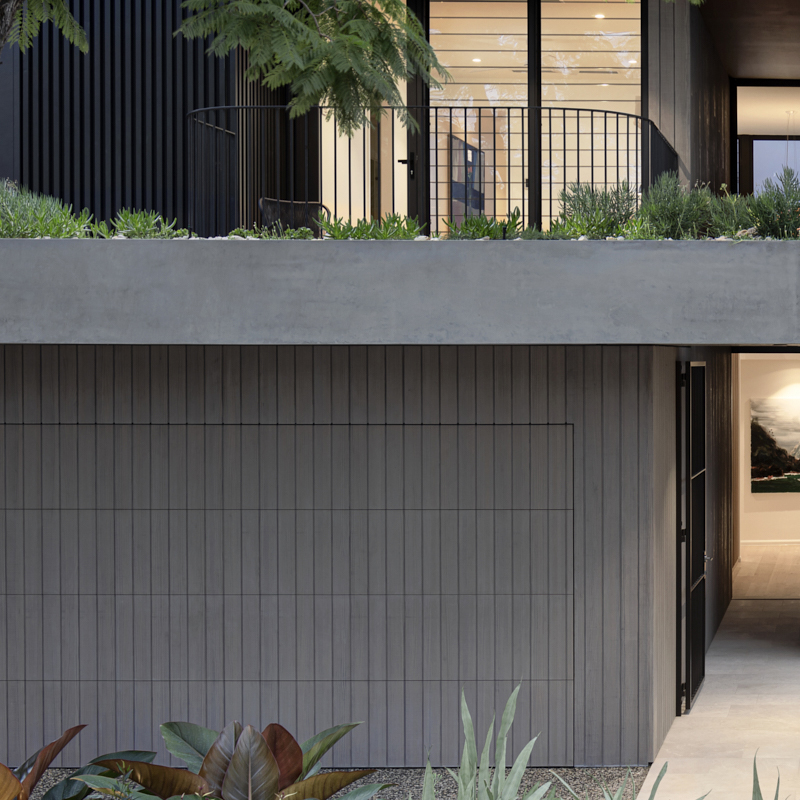
There is no single approach that suits every project. Uncoated timber remains an excellent choice for projects wishing to embrace natural variation and allow the façade to develop entirely at its own pace. For many, this evolving character is part of timber’s appeal.
However, where an established weathered appearance from day one is central to design, pre-greyed timber offers greater predictability with a practical balance between immediate aesthetics and natural ageing.
Ultimately, the choice comes down to project priorities. Whether you choose natural weathering or begin with a pre-greyed finish, considering how timber will evolve over time helps ensure your build continues to meet expectations for years to come.
If you’re considering pre-greyed timber cladding for your next project, explore the MillProtect™ coating system to discover colour options, compatible timber products and learn how the system supports a controlled transition to weathered timber cladding.
Frequently asked questions
Need specification advice?
Our technical team can help you select the right timber, finish and installation system for your build. Contact us on 01223 967733 or email info@millworks.co.uk