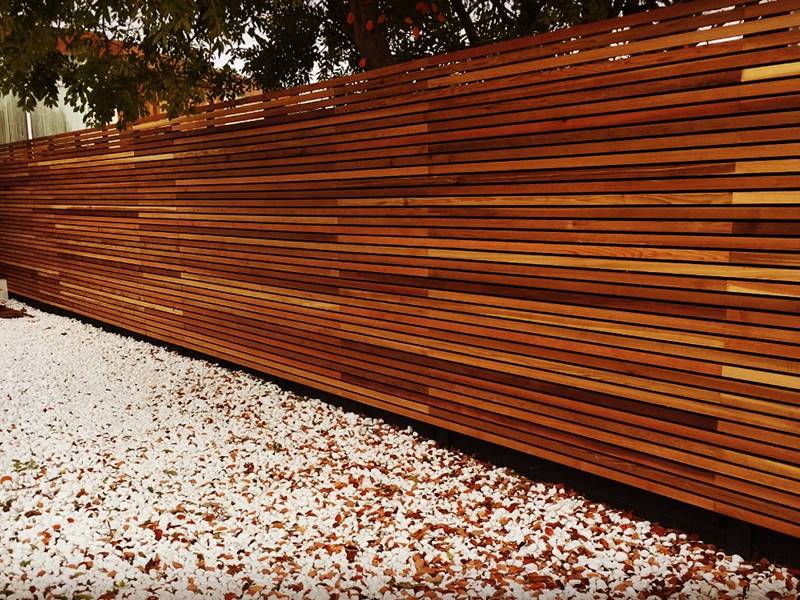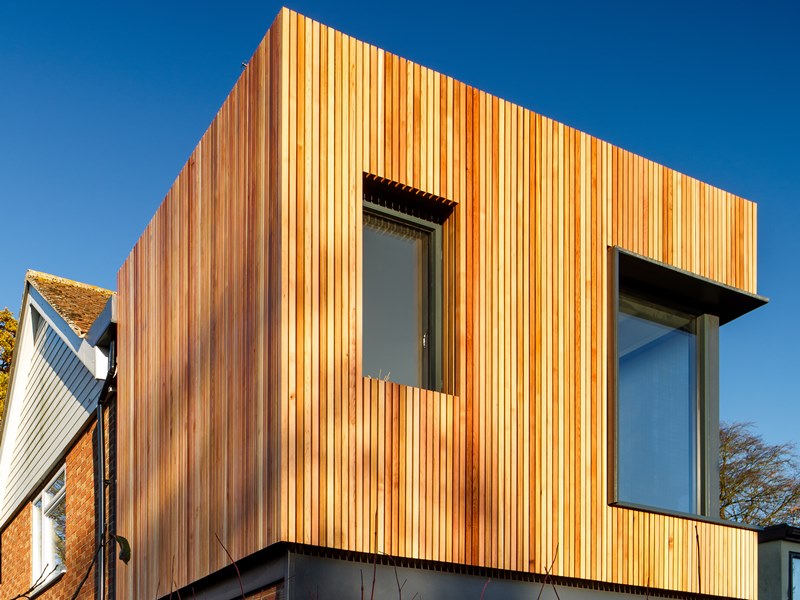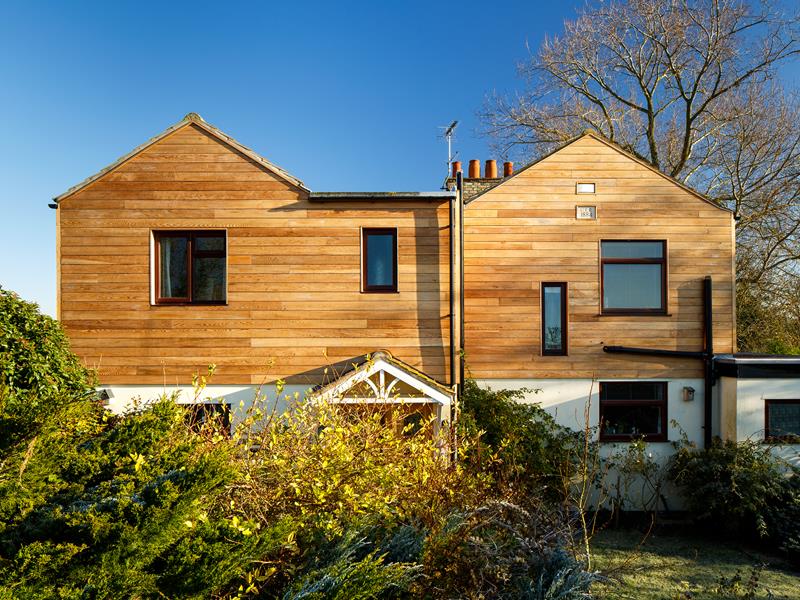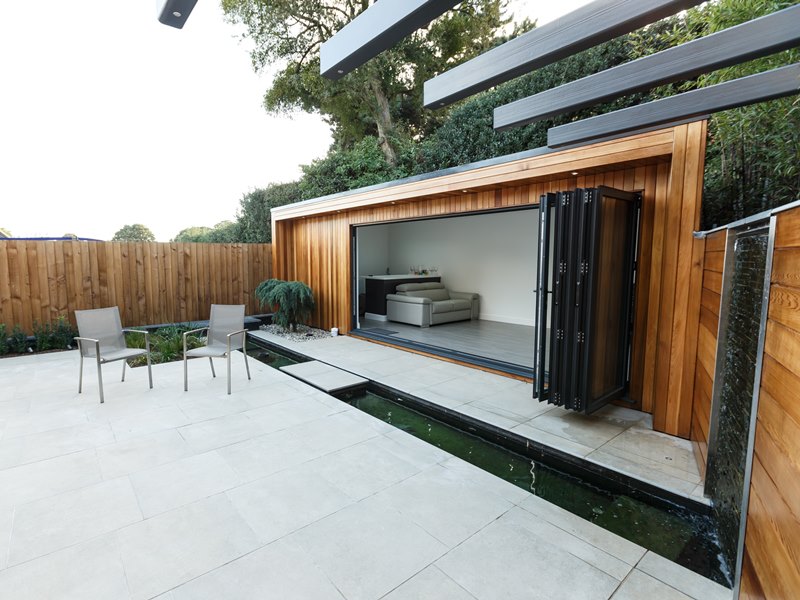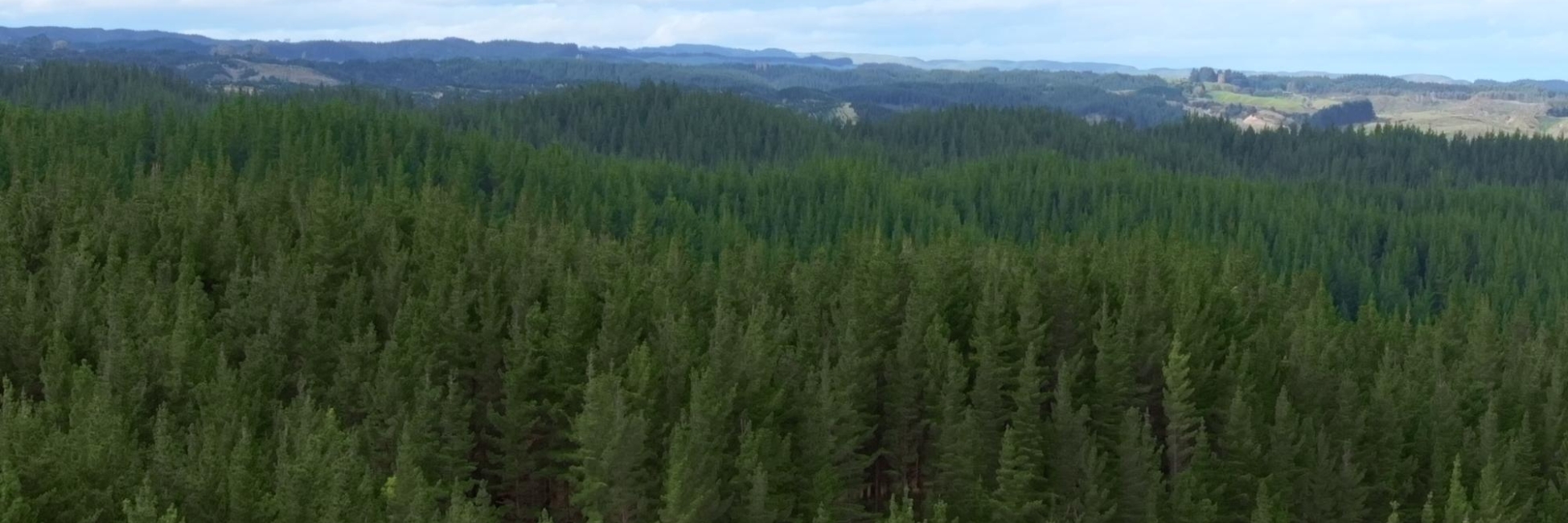
As Earth Day arrives under this year’s theme, “Our Power, Our Planet,” the built environment comes into focus as one of the most direct ways we influence environmental outcomes. Whether designing a building or choosing materials for a home, every decision matters, not just for how a space looks and feels, but for its long-term impact on the environment it comes from and exists within.
This is leading to a more considered way of looking at timber, with attention turning toward new growth species as rapidly renewable building materials. An example of this is Radiata Pine. Unlike slow-growth species that can take centuries to regenerate, Radiata Pine is grown in managed plantation systems and reaches maturity within decades, forming a renewable cycle that can be continuously replanted and recultivated.
As it grows, Radiata Pine actively absorbs carbon dioxide from the atmosphere, storing it within its cellular structure. When used in construction, that carbon remains locked within the building, effectively becoming a long-term carbon store embedded within the architecture itself. In well-managed systems, new-growth timbers can deliver very low embodied carbon outcomes. Abodo Vulcan® goes a step further, storing more carbon than is emitted during its production.
This shifts new growth timber from a “sustainable material” into a carbon and performance-driven choice.
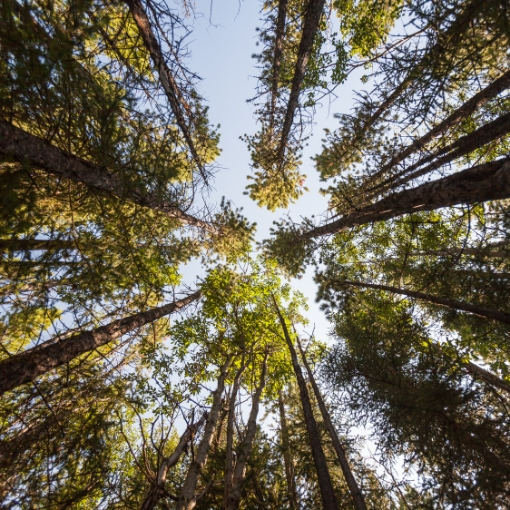
Radiata Pine: Fast growth to high performance
What has made this shift viable in practice is not just forestry, but material innovation. Radiata Pine has historically been considered a fast-growing softwood with limited exterior durability. However, through processes such as thermal modification and advanced engineering it is being redefined as a high-performance architectural material.
This is particularly significant when compared to slow-growth species, often specified for durability but sourced from ecosystems that take generations to regenerate. By utilising plantation-grown Radiata Pine, pressure is reduced on these slower ecological systems while maintaining performance.
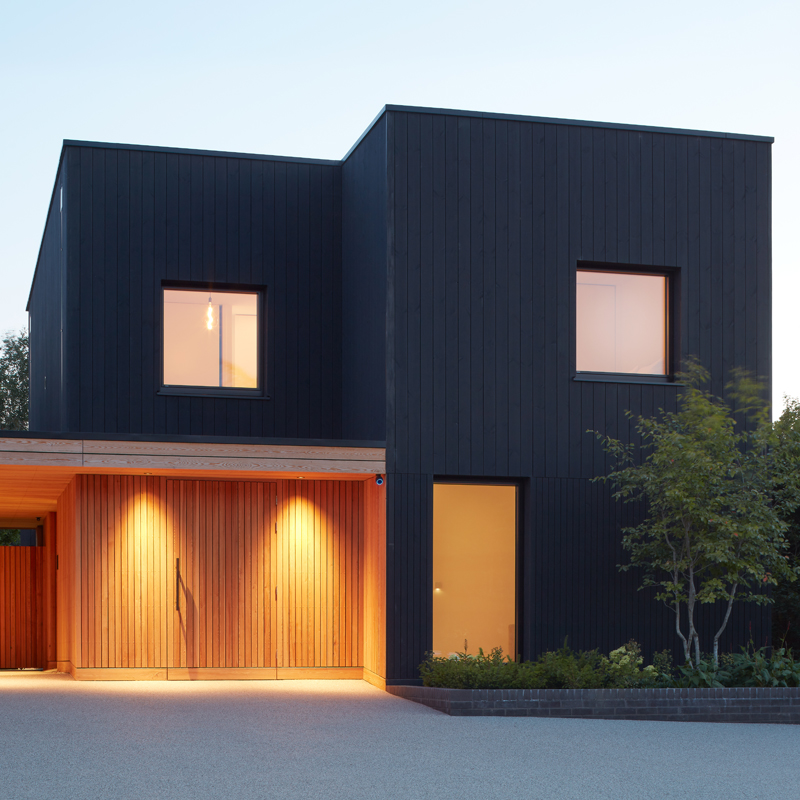
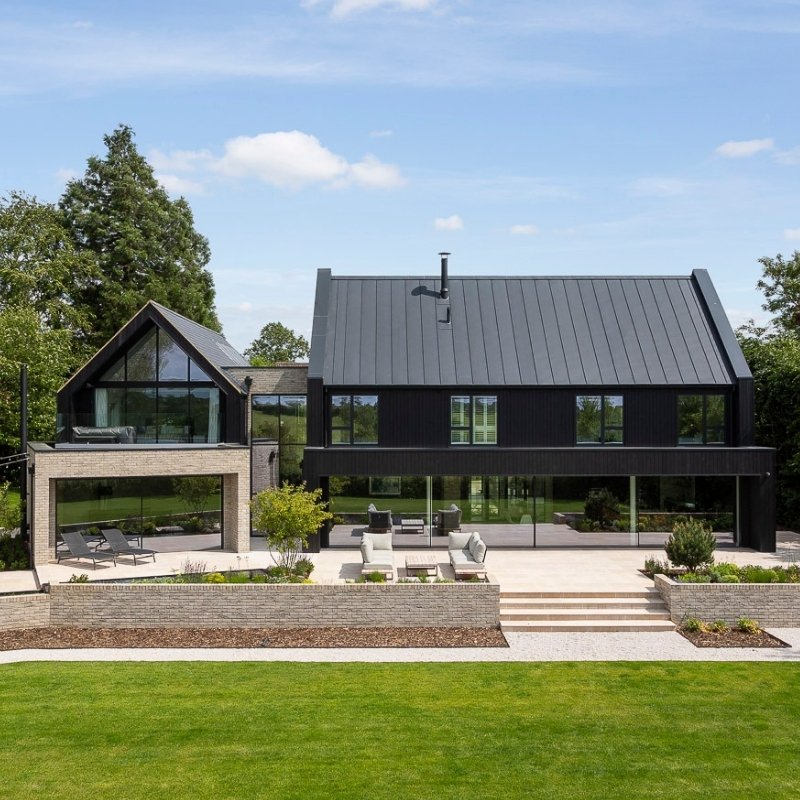
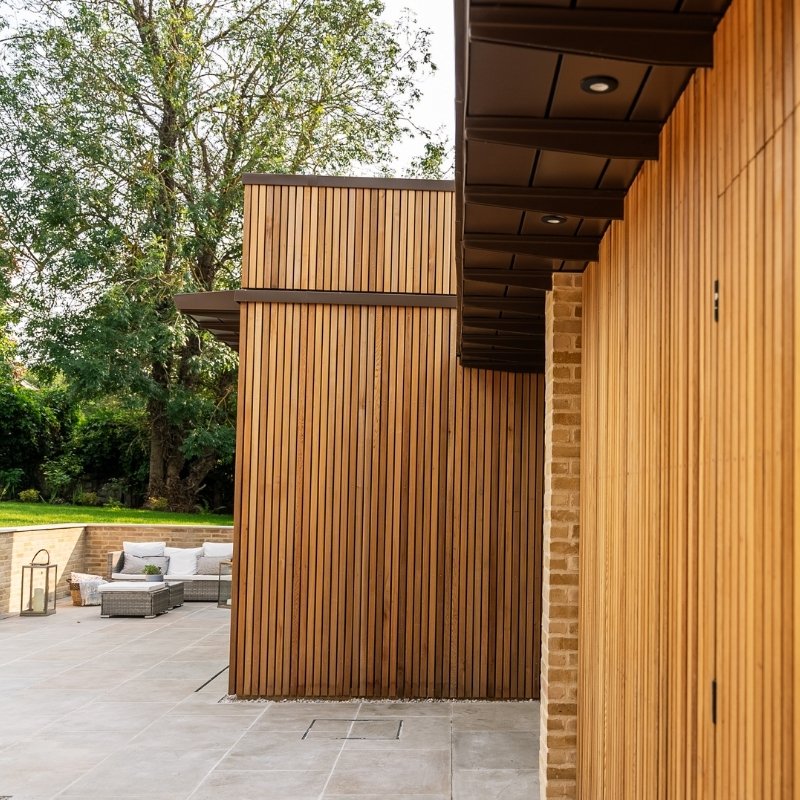
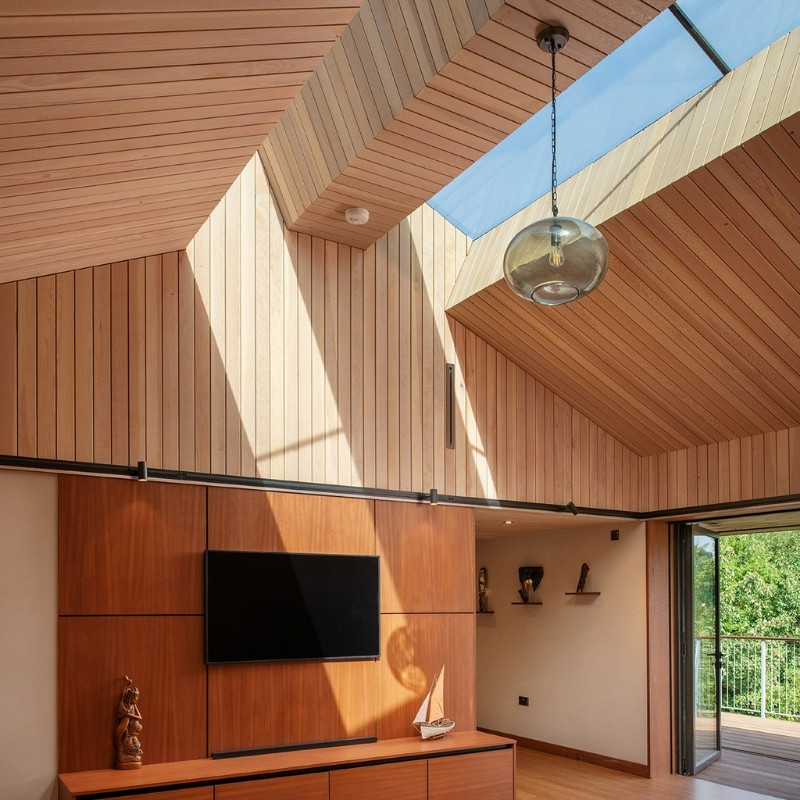
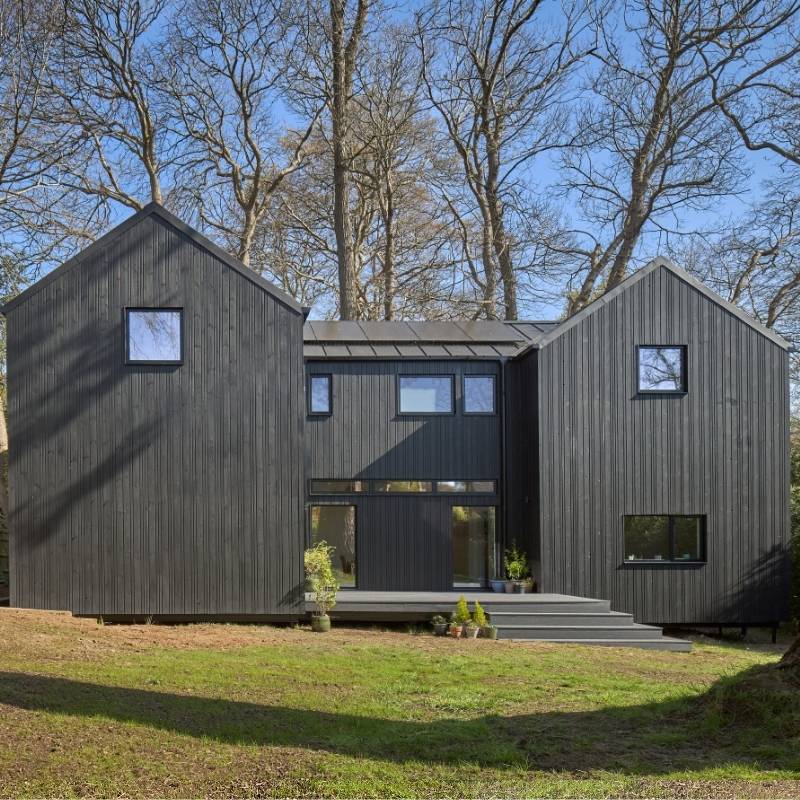
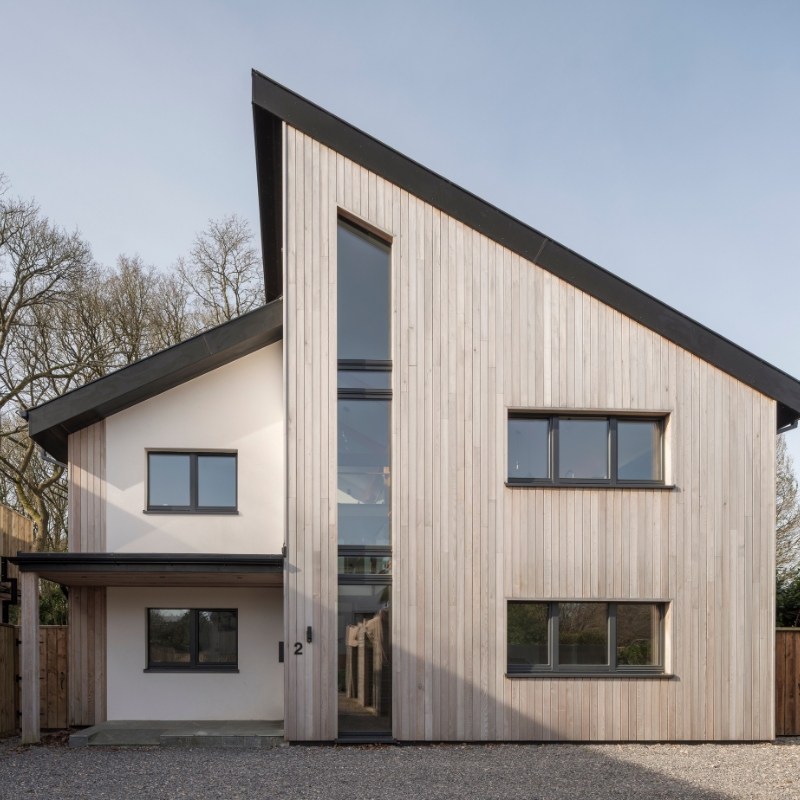
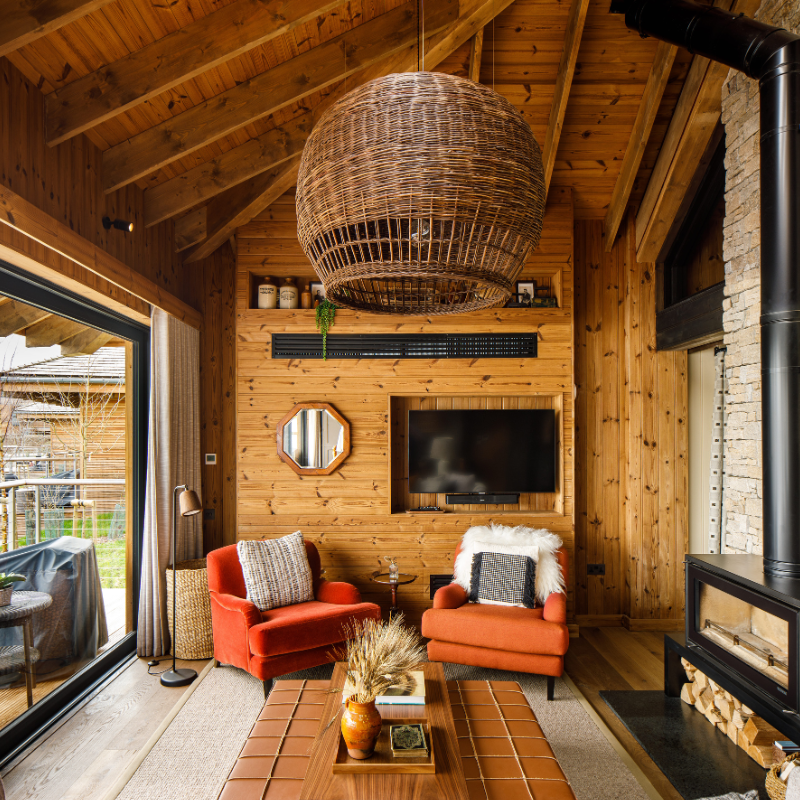
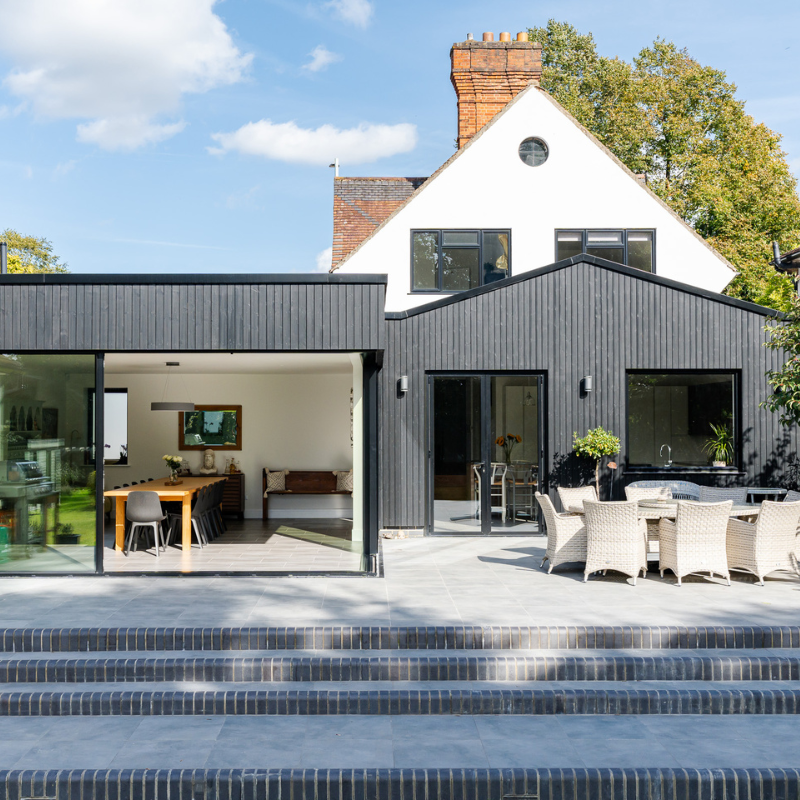
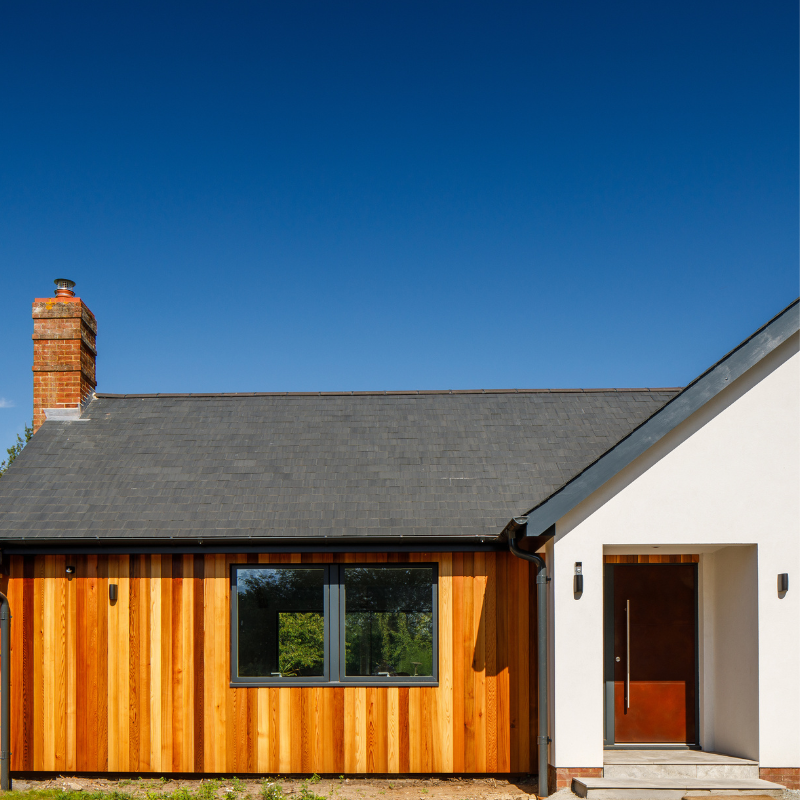
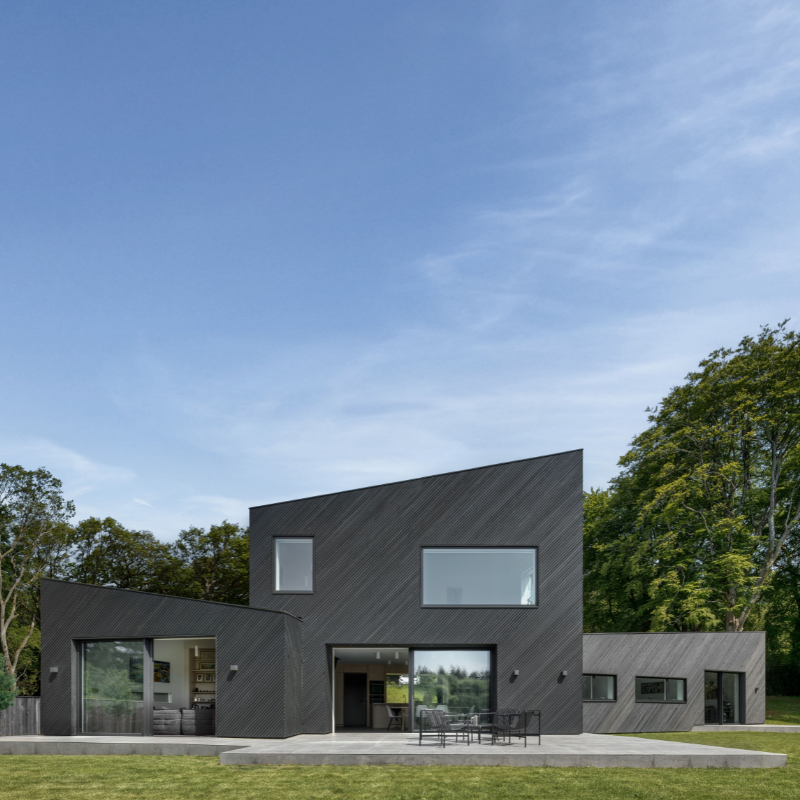
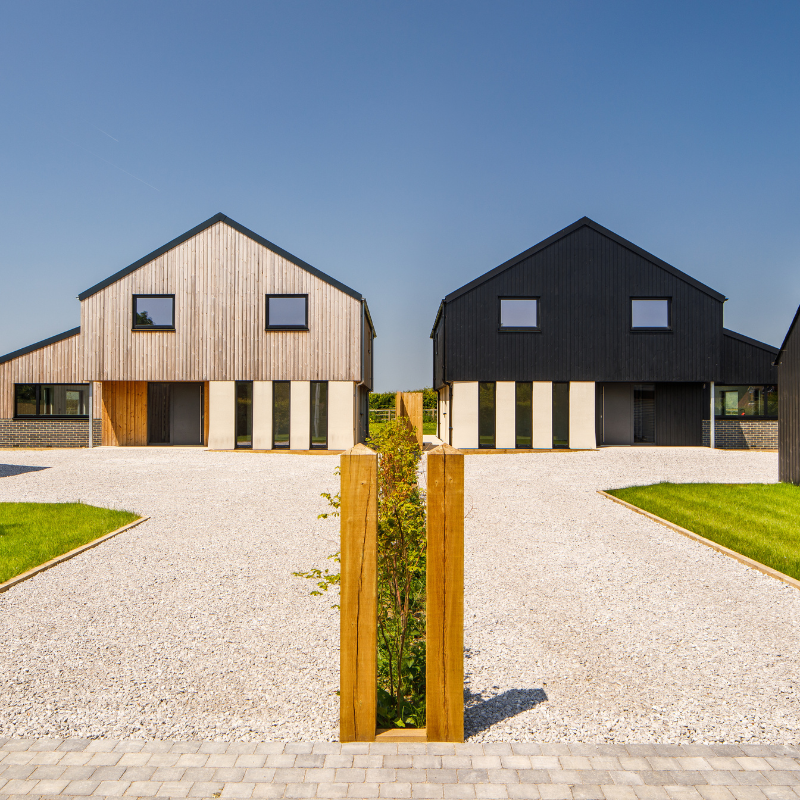
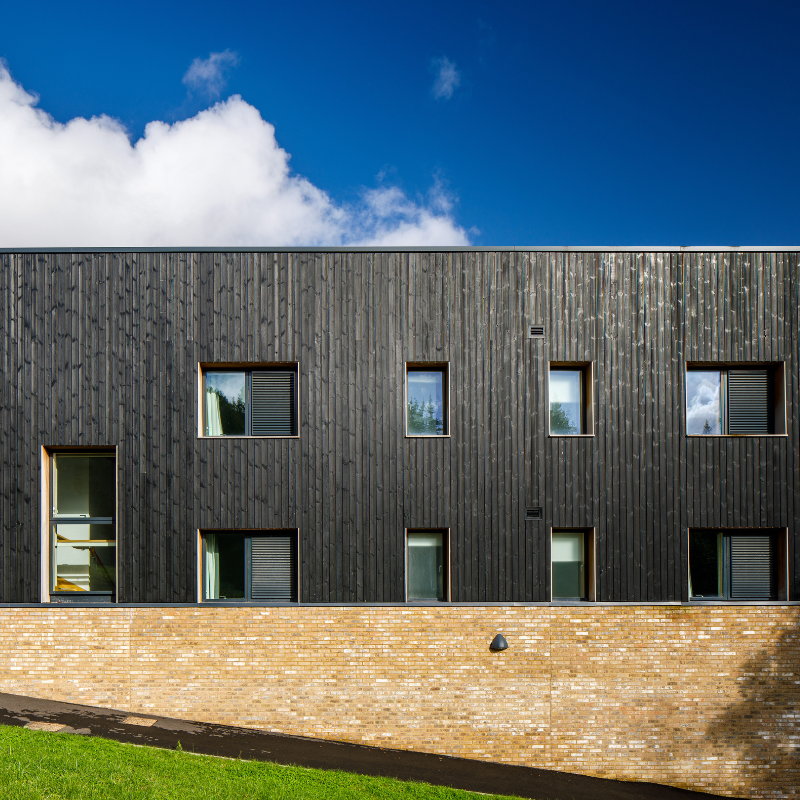
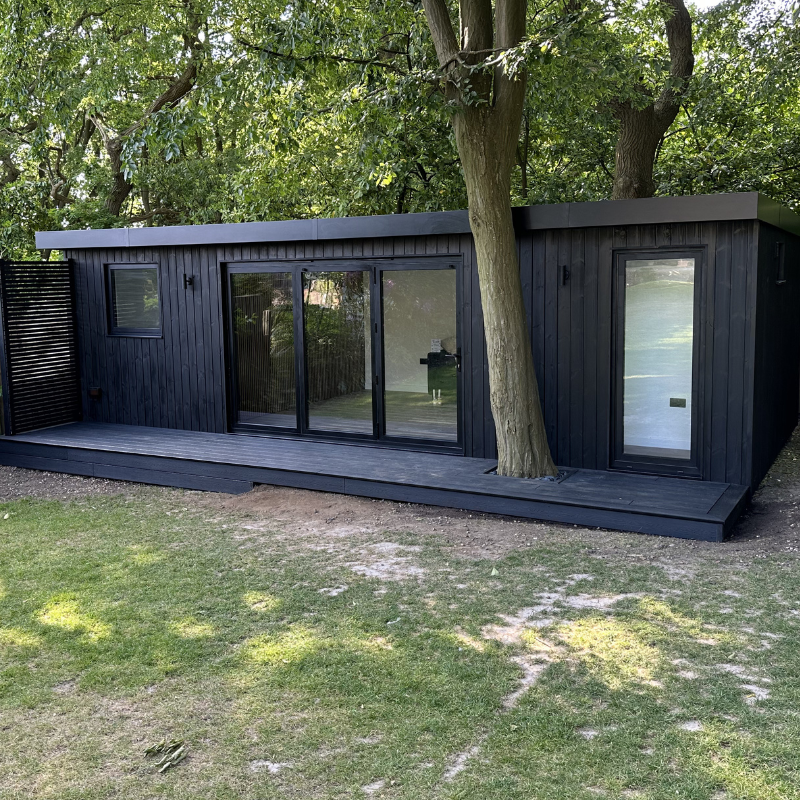
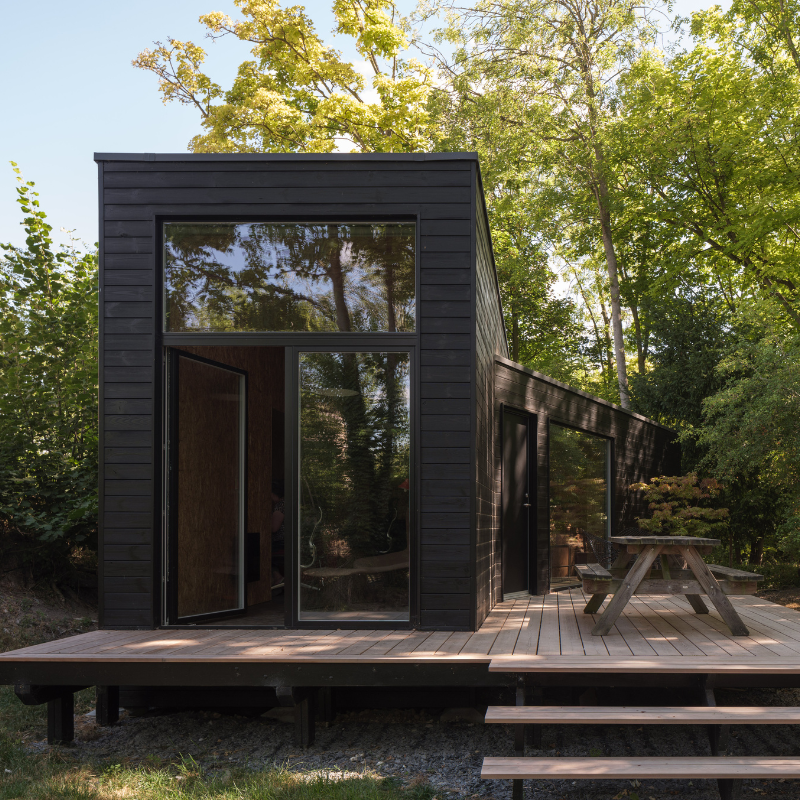
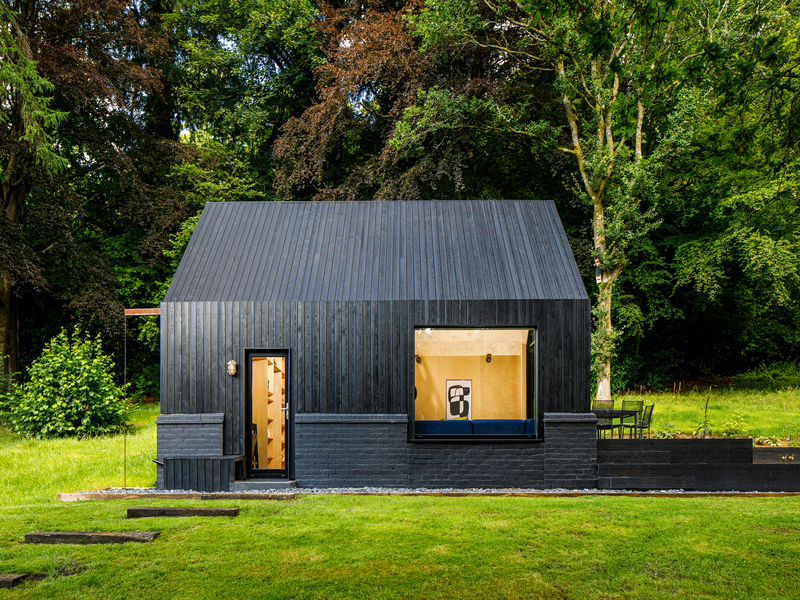
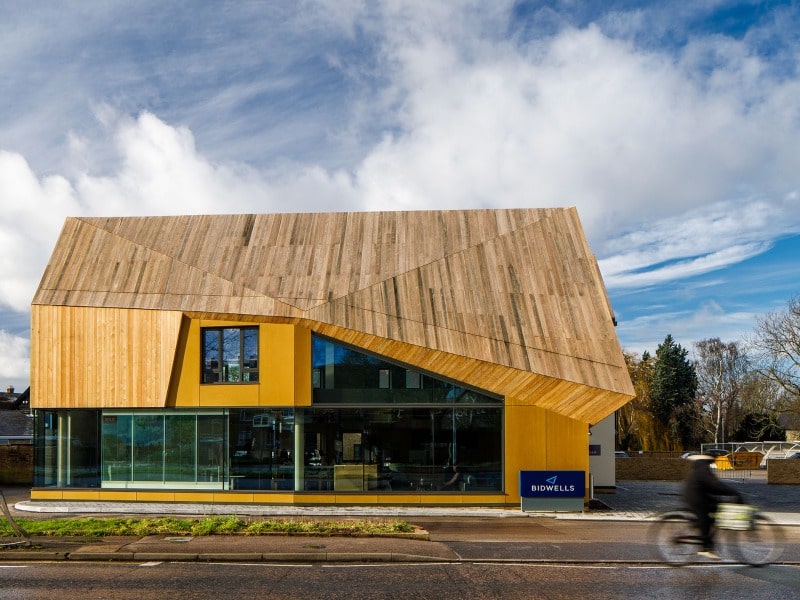
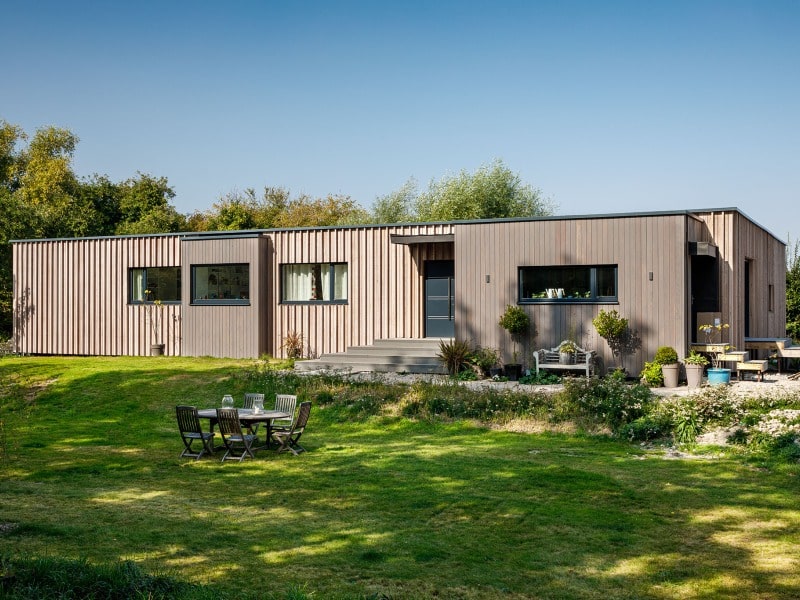
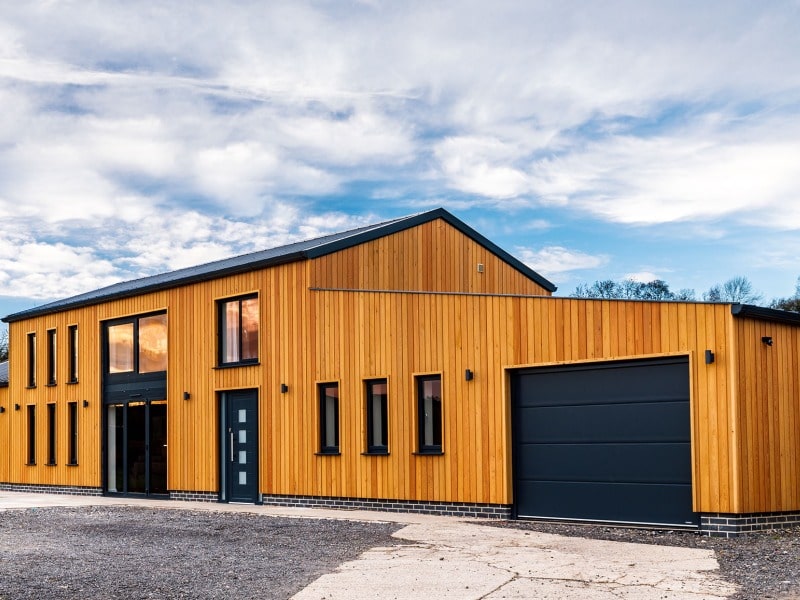
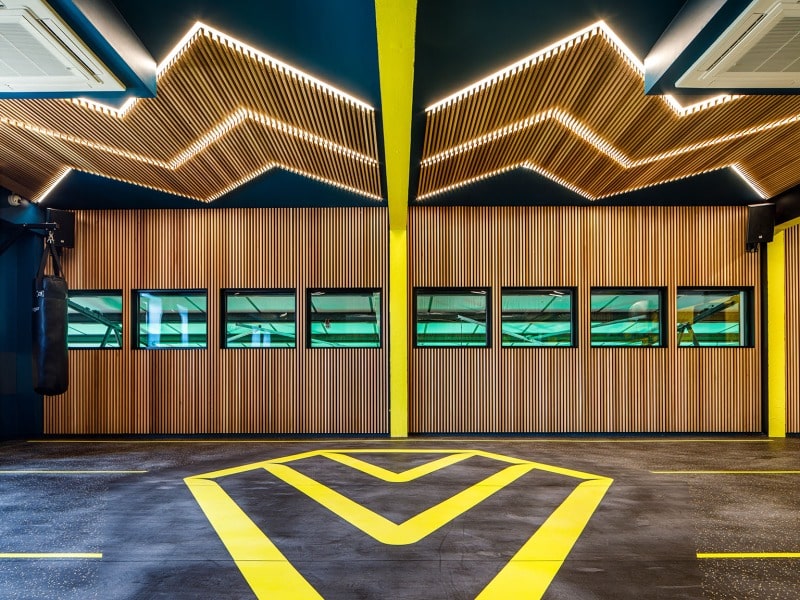
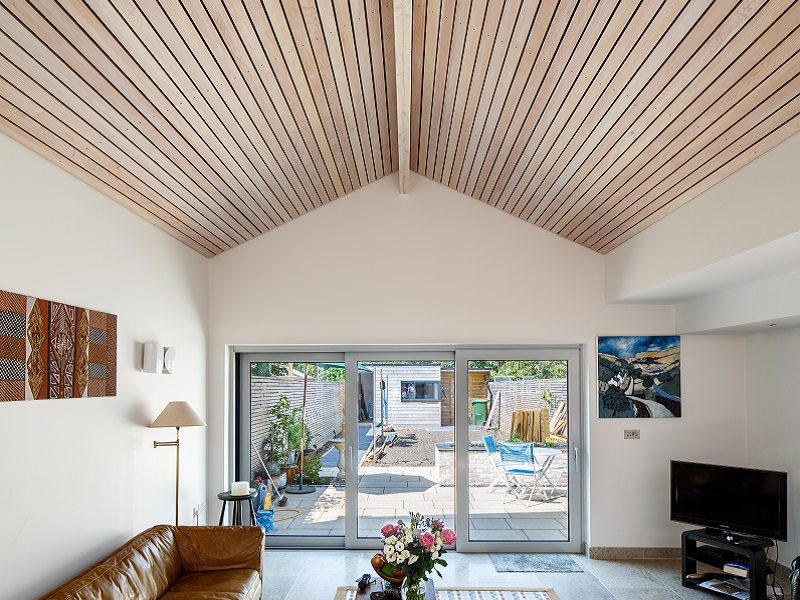
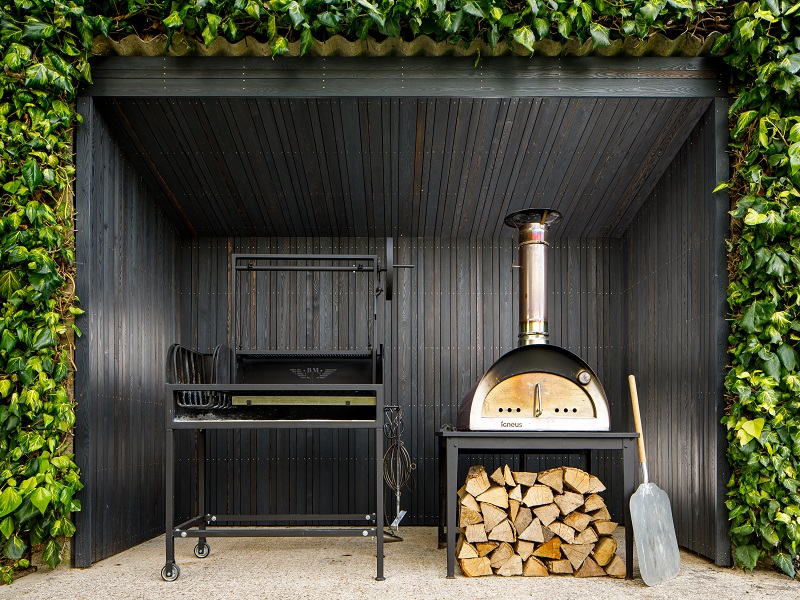
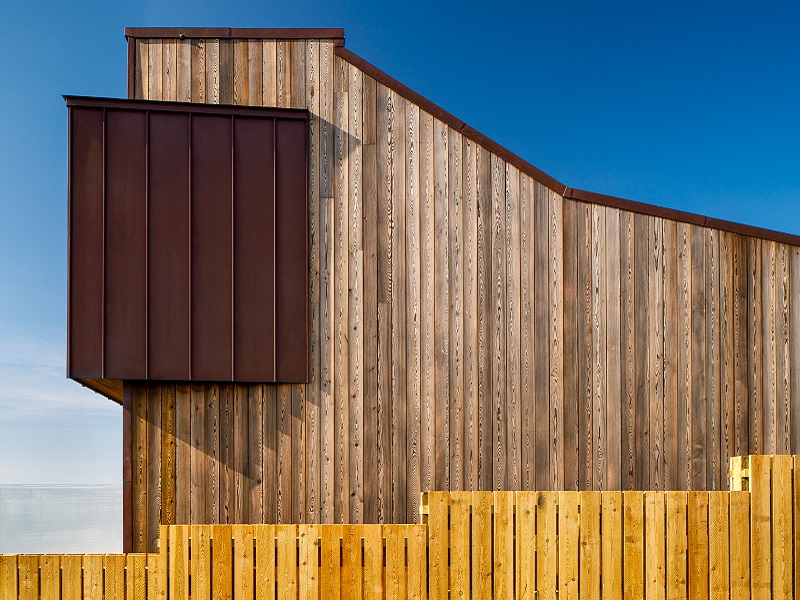
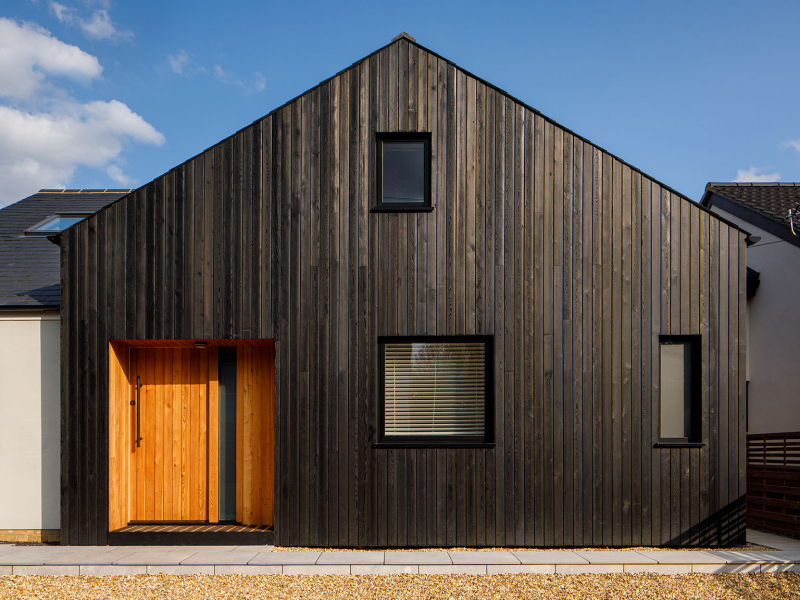
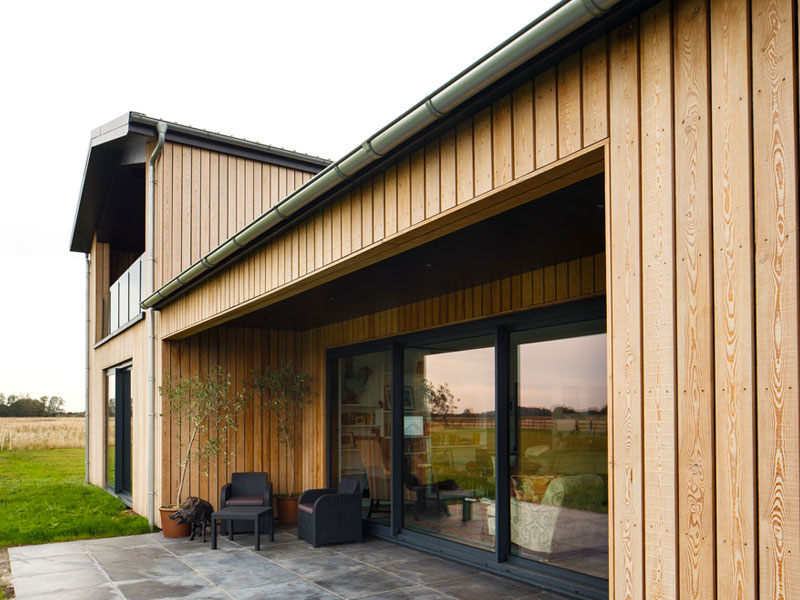
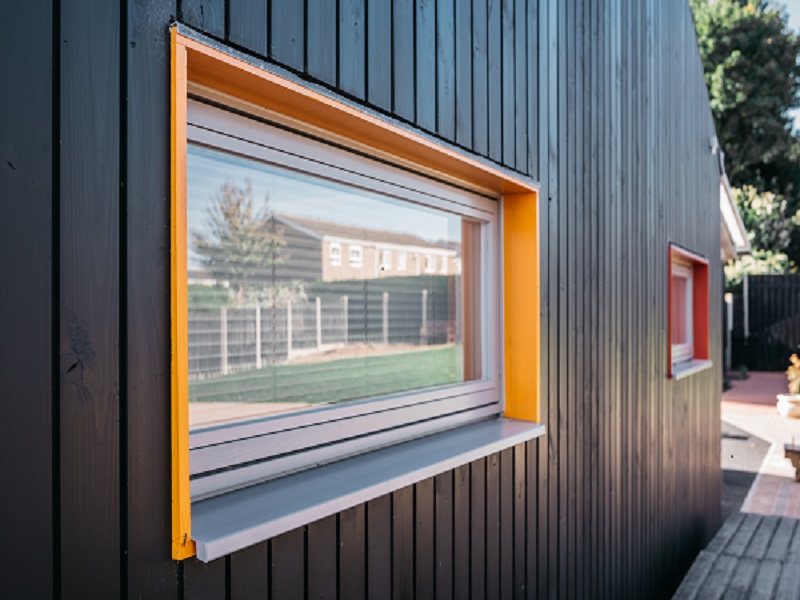
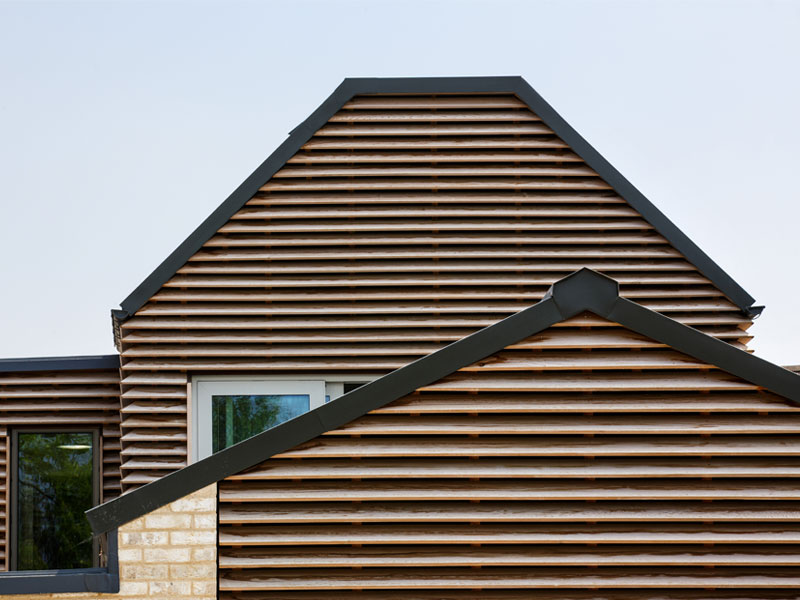
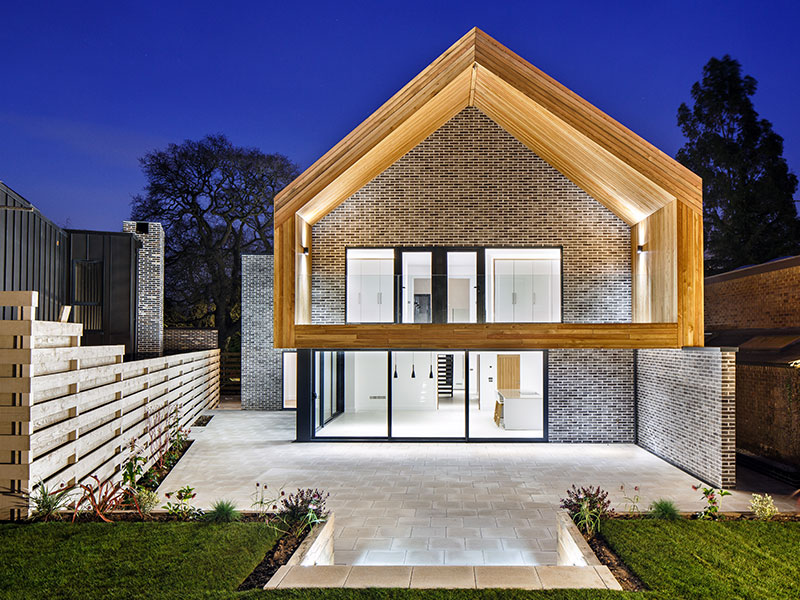
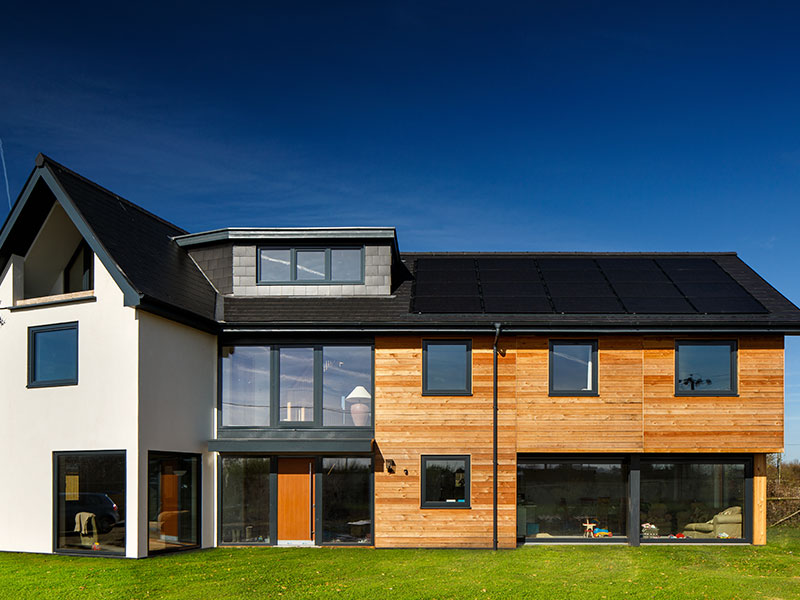
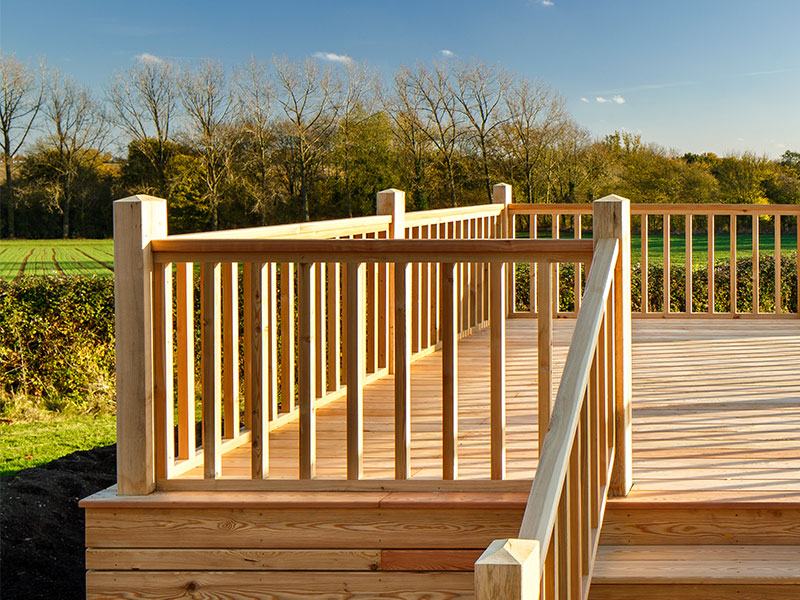
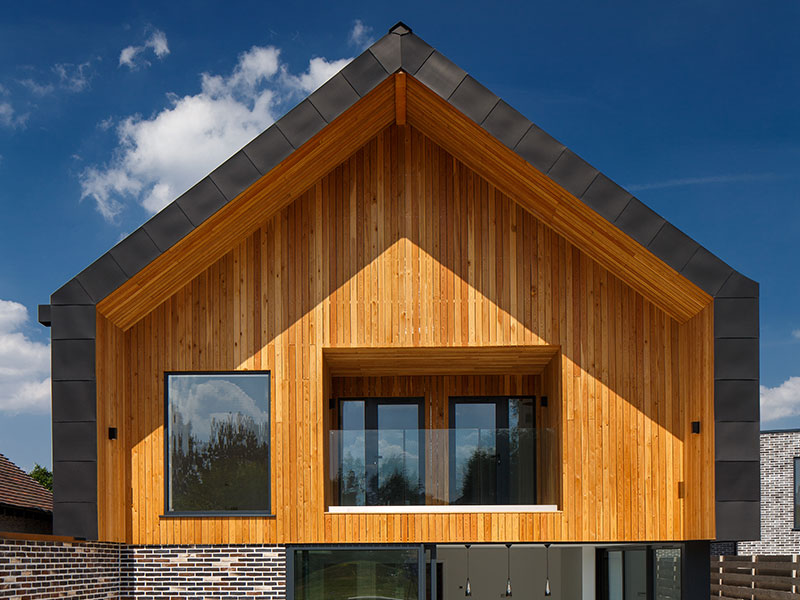
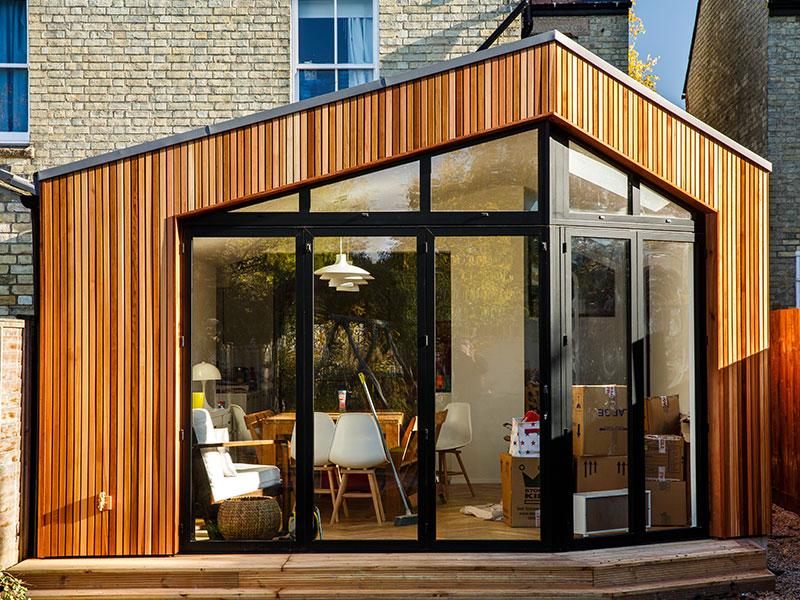
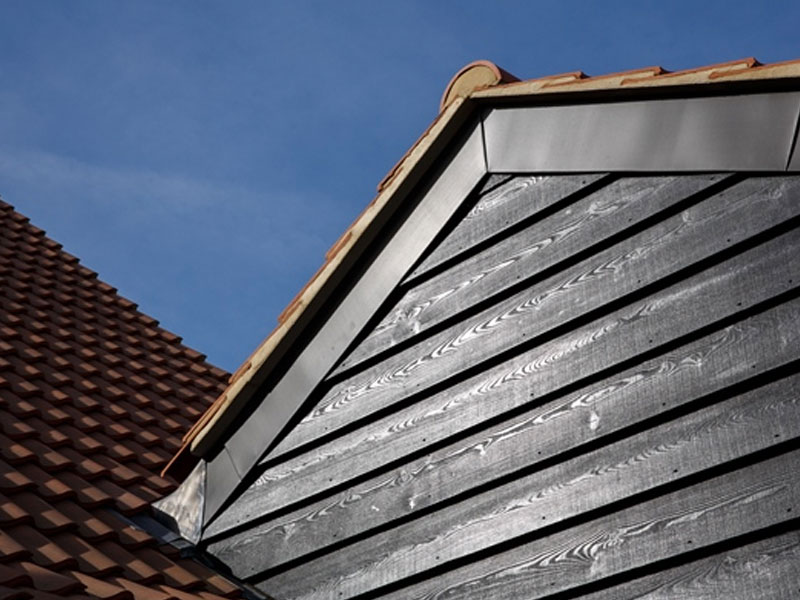
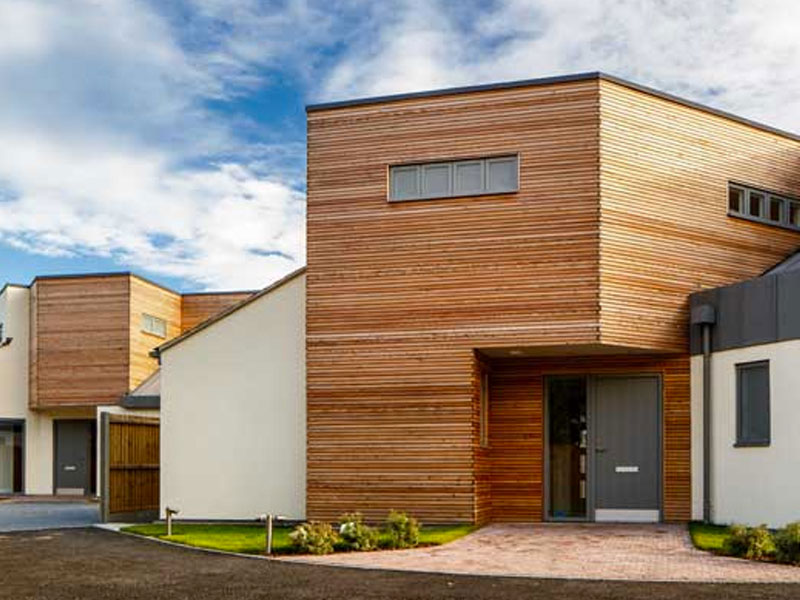
Modified Radiata Pine products, such as Abodo Vulcan® and Imbue™, achieve high durability classifications (class 1, EN350), bridging aesthetic and performance expectations with environmental responsibility.
Why manufacturing alignment matters
The environmental value of timber is not defined in the forest alone. It is shaped equally by how it is processed, detailed, and integrated into the built environment. When manufacturers, like Millworks, work with fast-growing species like Radiata Pine, they sit at an important point where responsible forestry, material supply, and design intent meet.
This involves two complementary roles: ensuring the material is correctly specified to make full use of its performance potential, and that it is used in the right systems so its carbon storage value is fully realised over its lifespan. In practice, this creates a continuous loop between forest management, material development, and design application, ensuring timber remains a reliable, long-term solution for both commercial and residential projects.
Designing with sustainability in mind
Material selection is increasingly about more than aesthetics or compliance. It is about understanding how a material performs over time, structurally, environmentally, and practically.
Timber is particularly valued in this respect because its performance and carbon profile can be measured and compared early in the design process. When supported by environmental data and system-level detailing, it becomes easier to make informed decisions that balance design intent with long-term environmental outcomes.
Thermal modification of new growth timbers plays an important role in enabling this. By improving dimensional stability and resistance to decay without chemical treatments, it extends service life and reduces maintenance, repair, and replacement cycles.
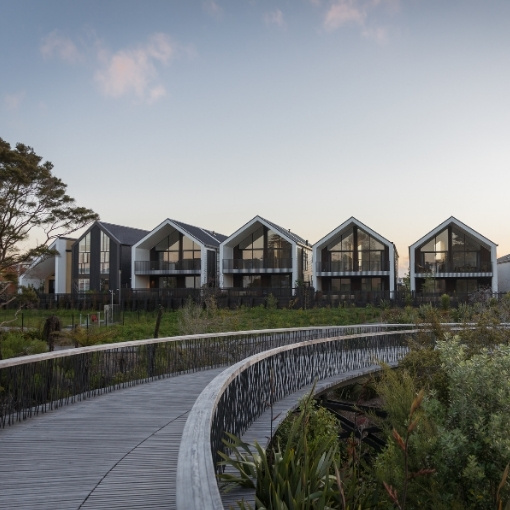
Low-carbon material specification
The opportunity now is not only to understand the role of new growth timbers, but to translate that understanding into confident design and material decisions. As more buildings and homes target lower embodied carbon and improved lifecycle performance, early-stage material decisions become increasingly important.
Engaging with material data, environmental declarations, and system guidance at concept stage allows both designers and informed homeowners to align environmental outcomes more effectively.
At its core, this means choosing timber products that support renewable forestry systems, reduce reliance on slow-growth species, and contribute to long-term carbon storage within the built environment.
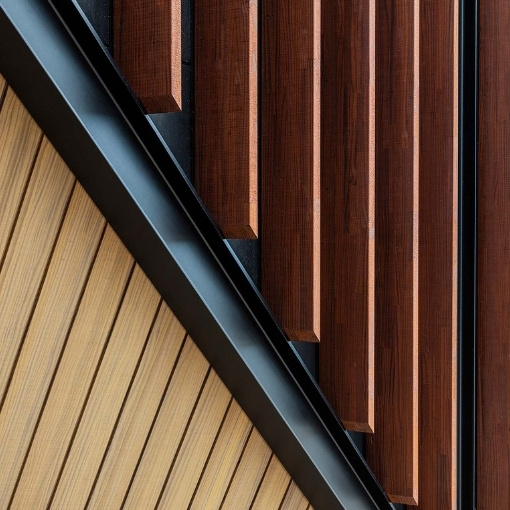
Ultimately, the message behind “Our Power, Our Planet” is of shared responsibility distributed across the entire supply chain—from forest management to material innovation to long lasting applications. New growth timber, supported through thoughtful manufacturing and design integration, demonstrates that sustainability in construction is not about compromise. It is about evolution, how we define performance, and how we understand the role materials play in shaping our built environment.
The opportunity now is not to imagine this future…but to build it.
Frequently asked questions
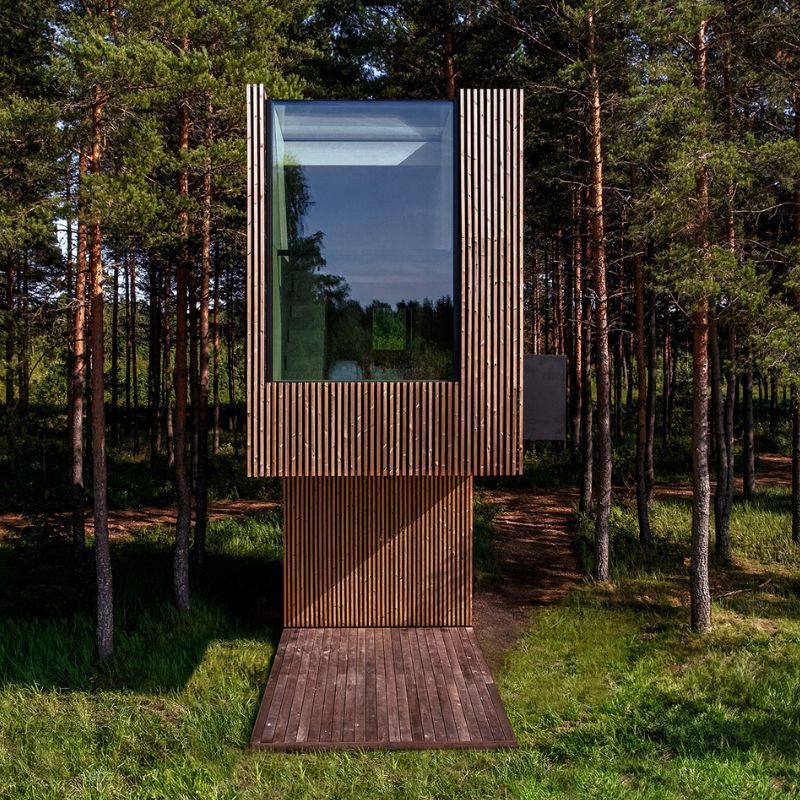
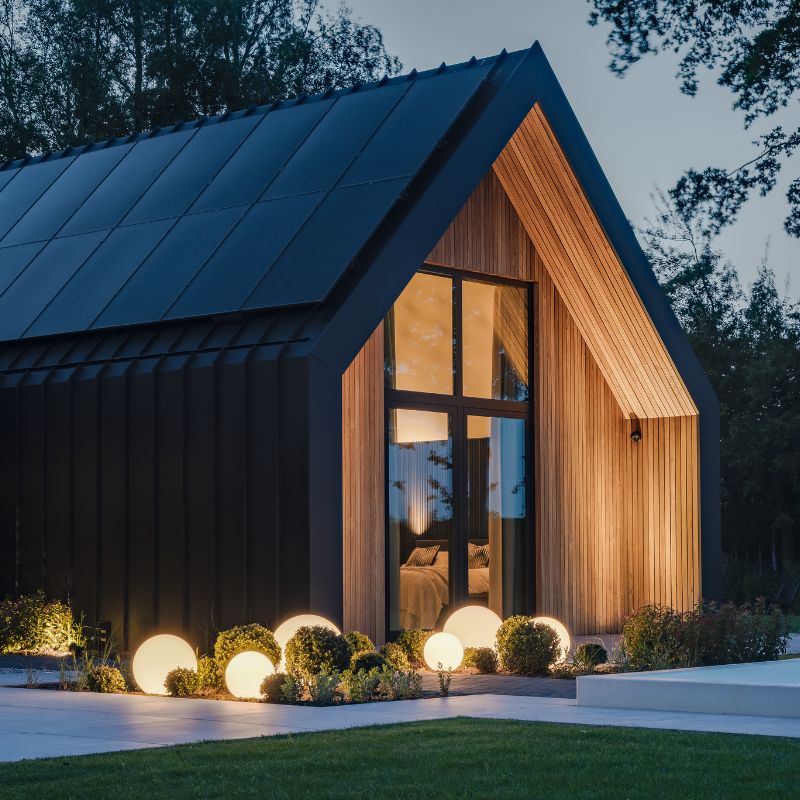
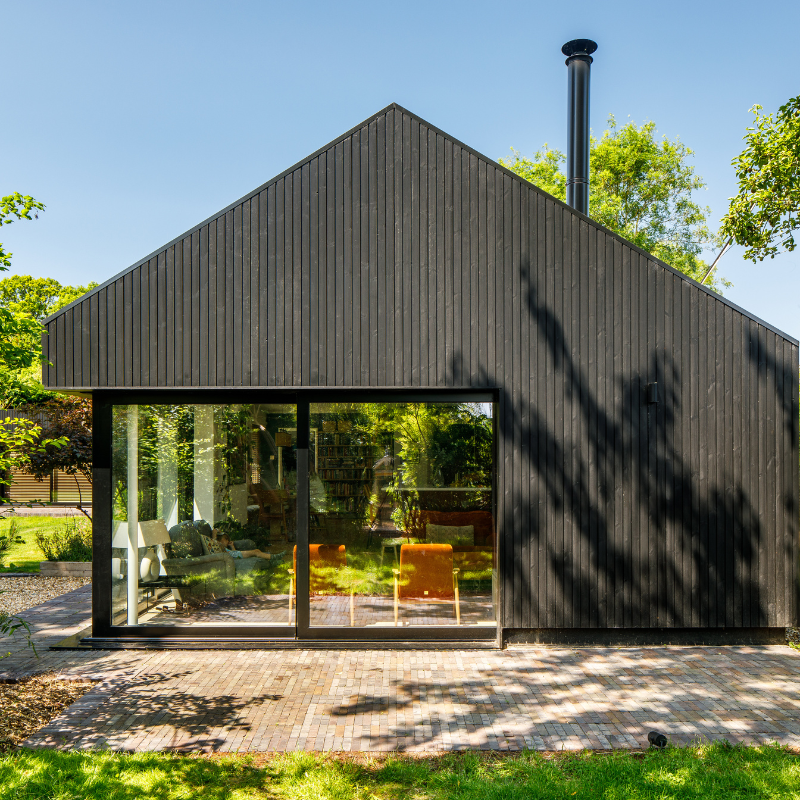
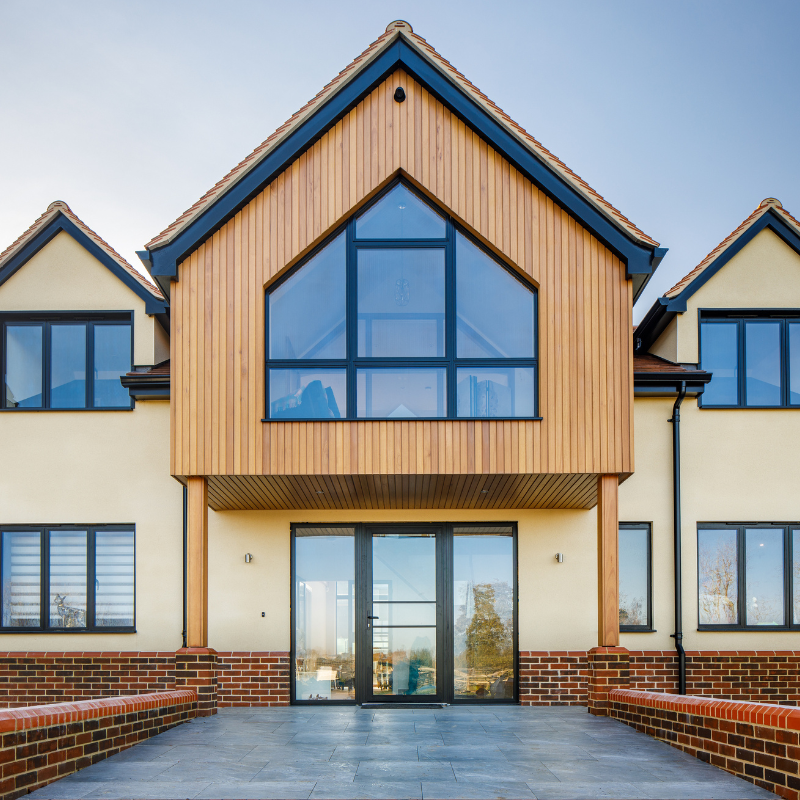
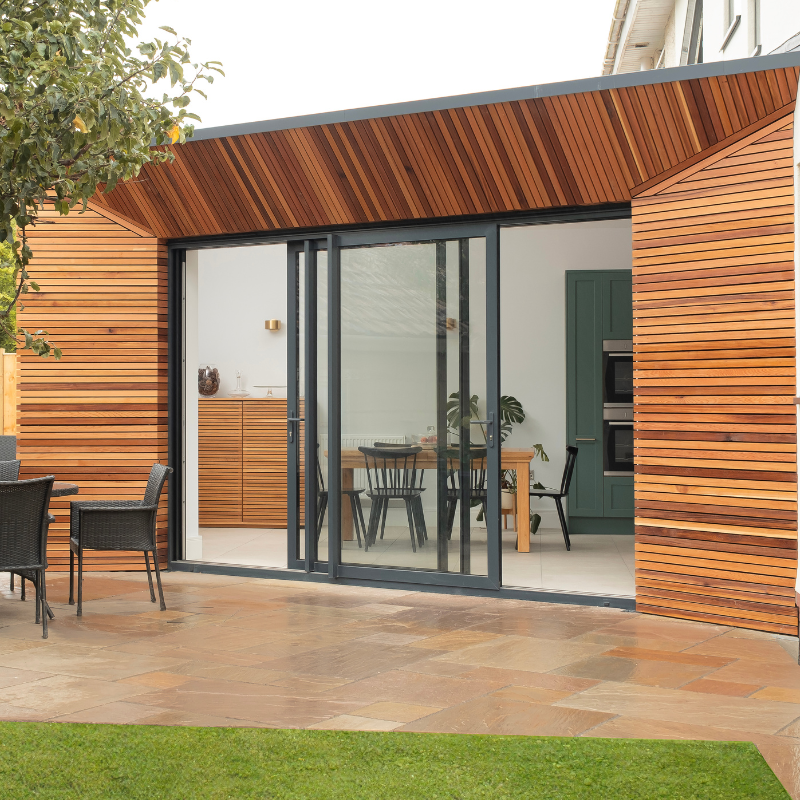
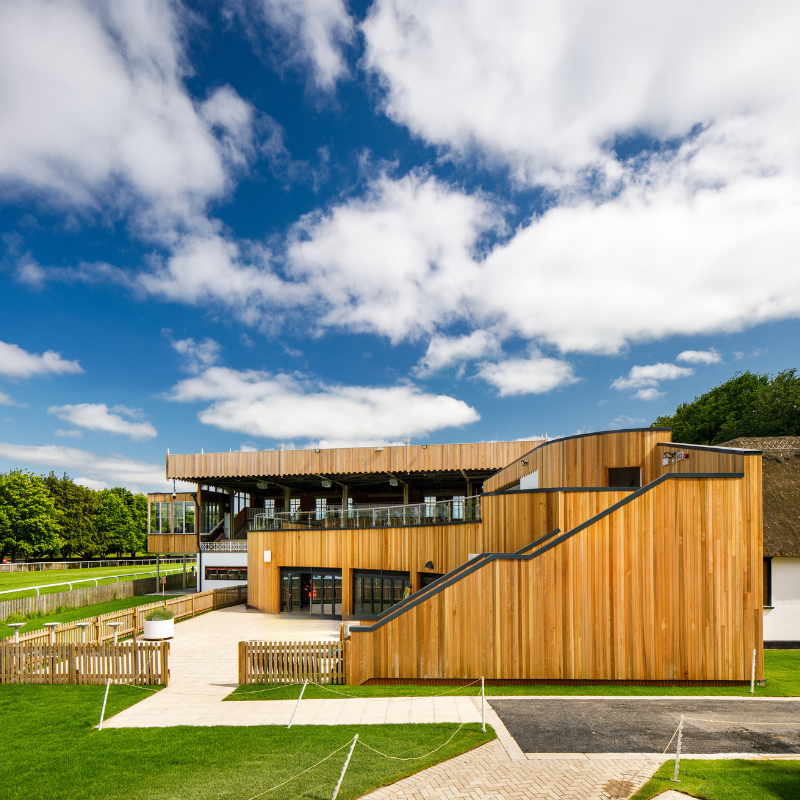
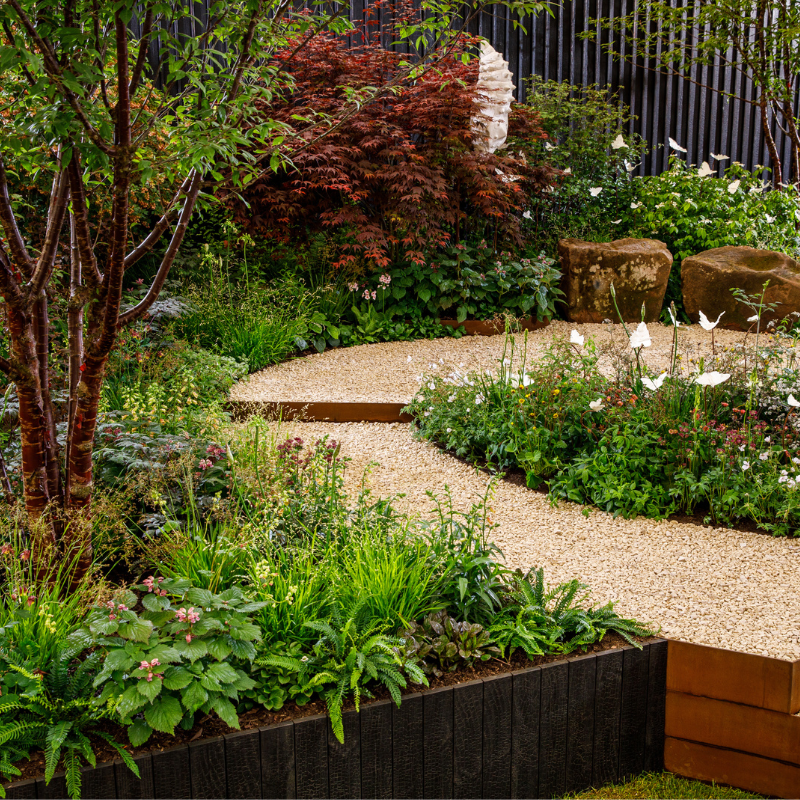
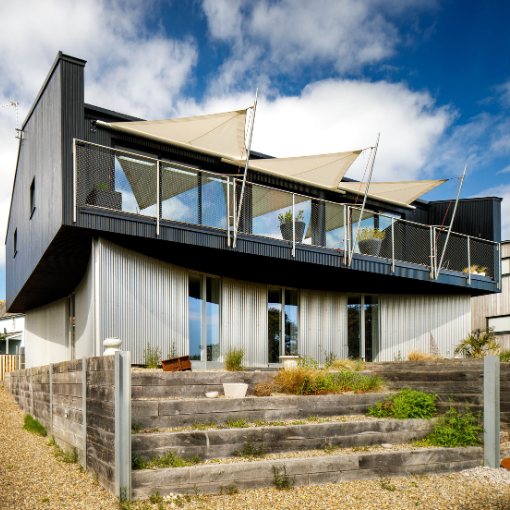
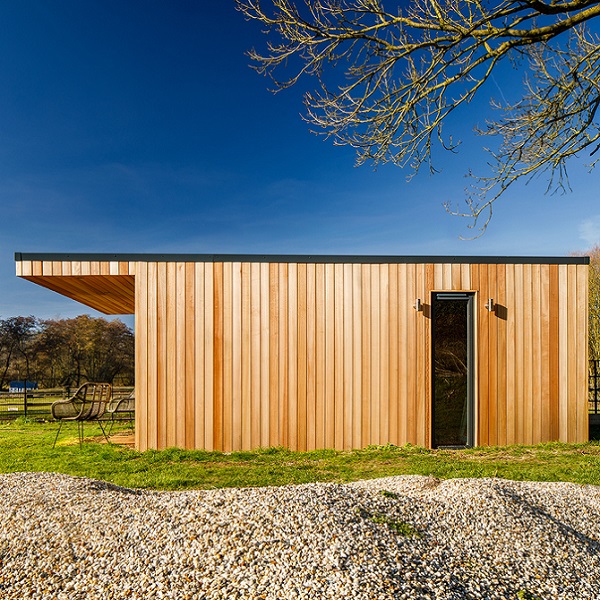
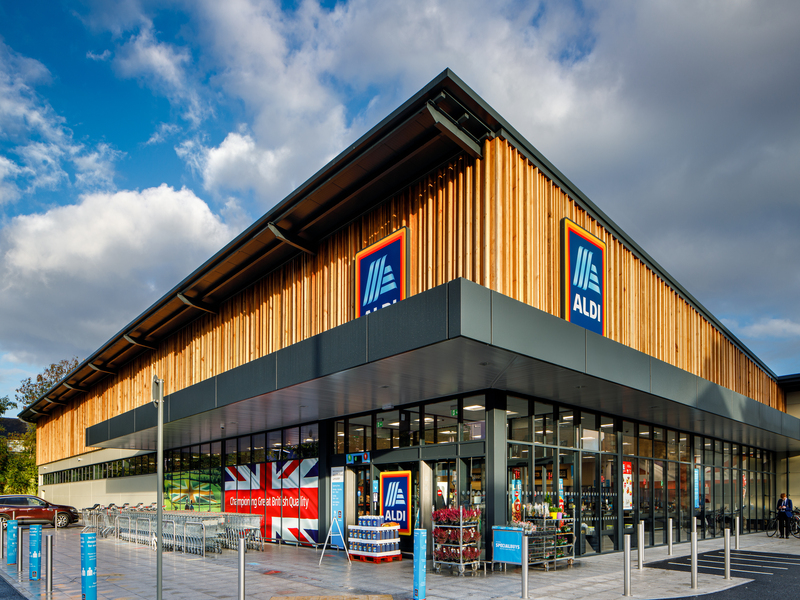
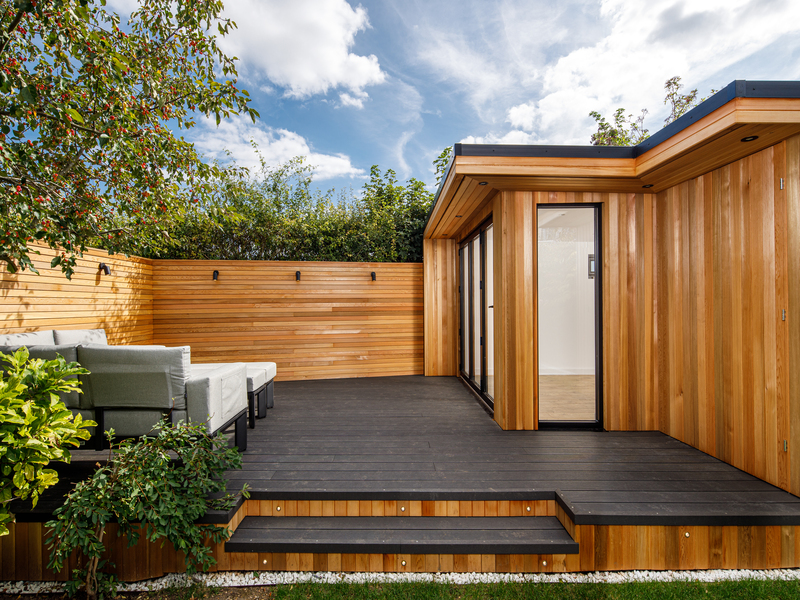
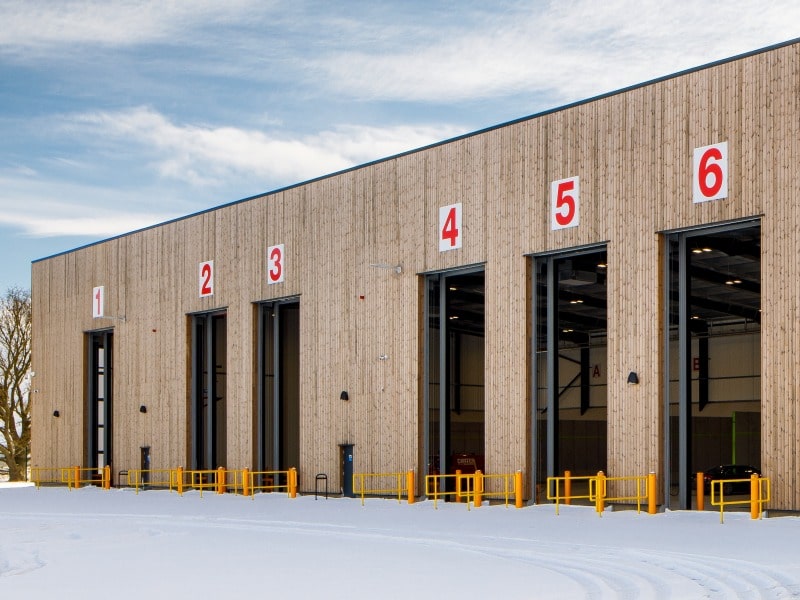
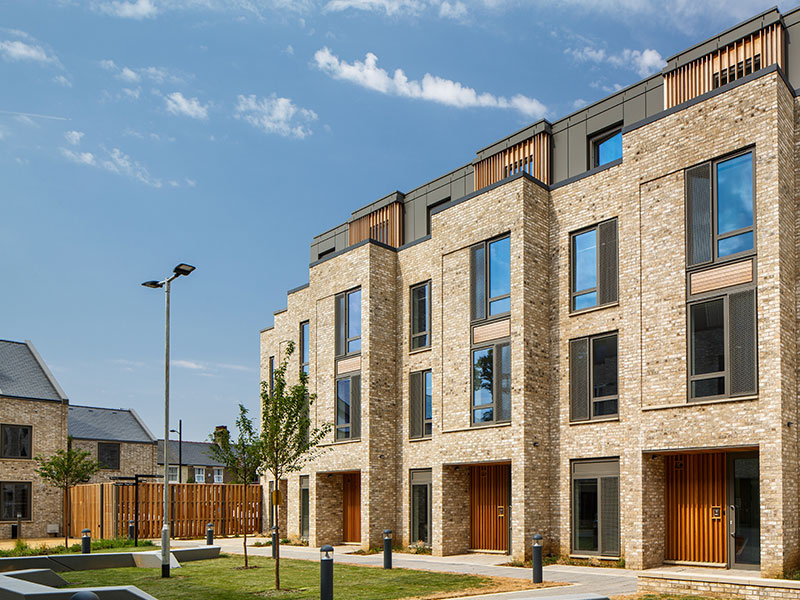
For projects exploring this approach, Abodo Vulcan® and Imbue™ demonstrate how new growth timbers are being applied in practice, further technical and application details can be found on our species pages. For advice on product selection and specification support, contact our team on 01223 967733 or email info@millworks.co.uk
For projects exploring this approach, Abodo Vulcan® and Imbue™ demonstrate how new growth timbers are being applied in practice, further technical and application details can be found on our species pages. For advice on product selection and specification support, contact our team on 01223 967733 or email info@millworks.co.uk