Beyond Siberian Larch: Sustainable Alternatives to Siberian Larch Timber Cladding
30th June 2025
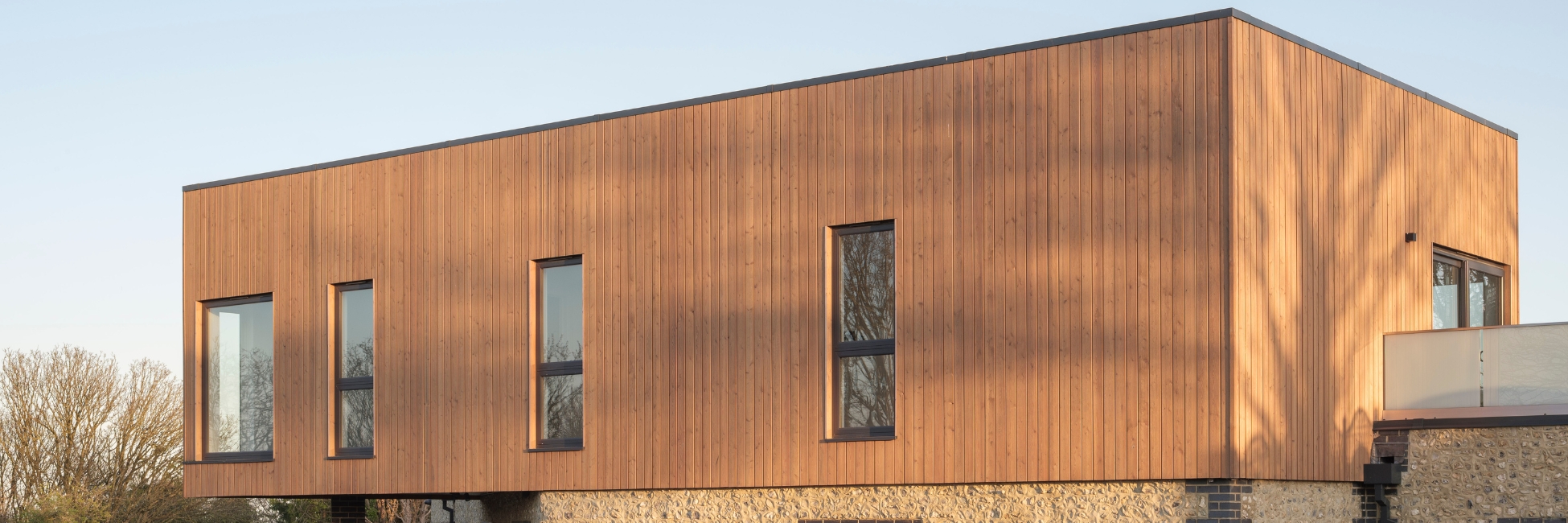
Siberian Larch has long been a favourite for external timber cladding, valued for its strength, natural resistance to decay, and attractive grain patterns. However, with sanctions on Russian imports and UK stock now fully depleted, Siberian Larch is effectively no longer available to the UK market. This supply disruption has left many asking the same question: What are the best alternatives to Siberian Larch for timber cladding?
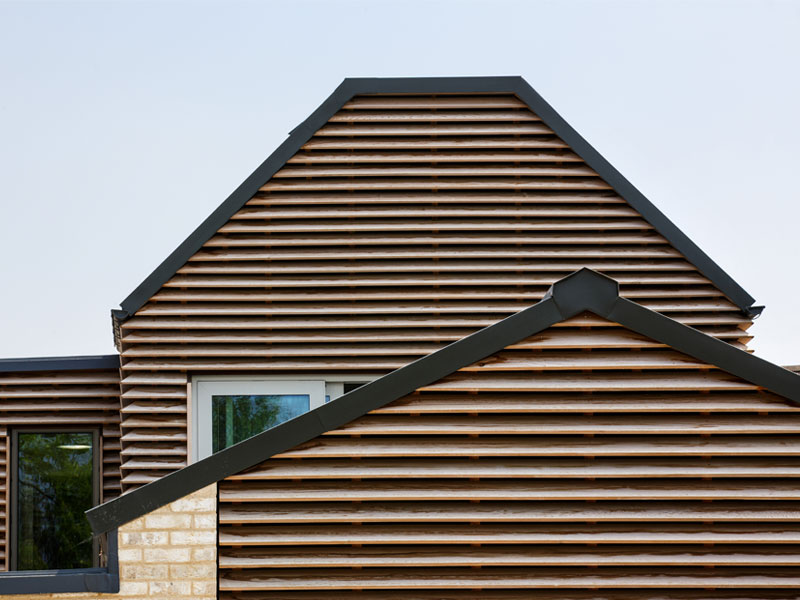
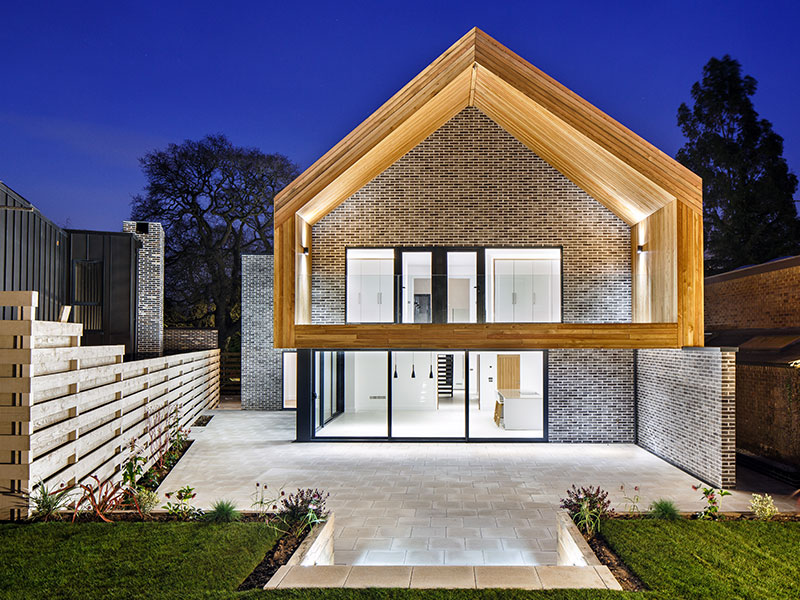
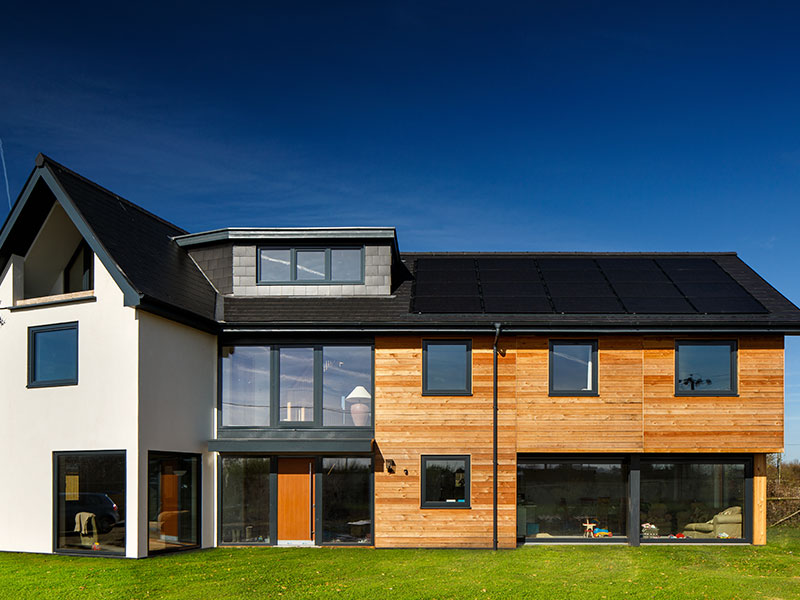
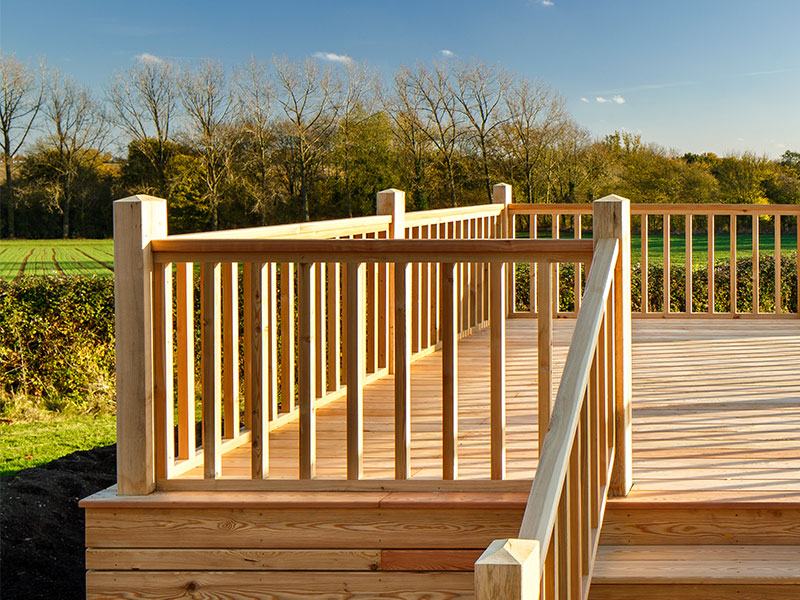
In response, we’ve developed two alternative solutions: BCLarch® and ICENILarch®. Selected for their performance, sustainability, and aesthetic appeal, we hold both in stock, ready to manufacture in-house to a range of profiles and sizes.
BCLarch®: Why choose Western Larch cladding?
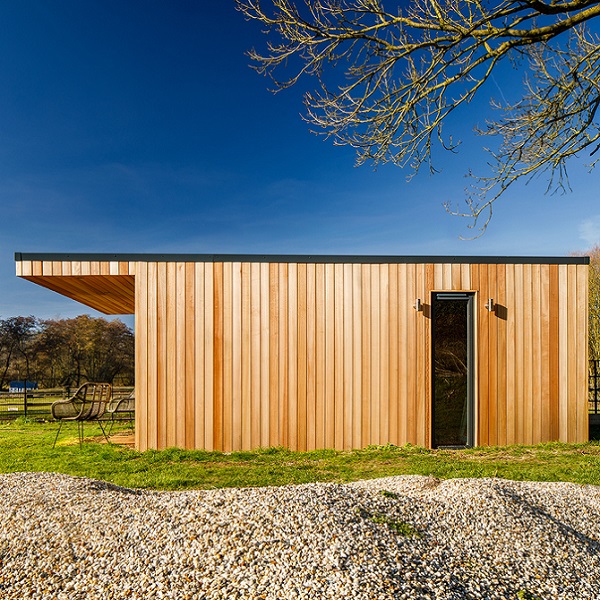
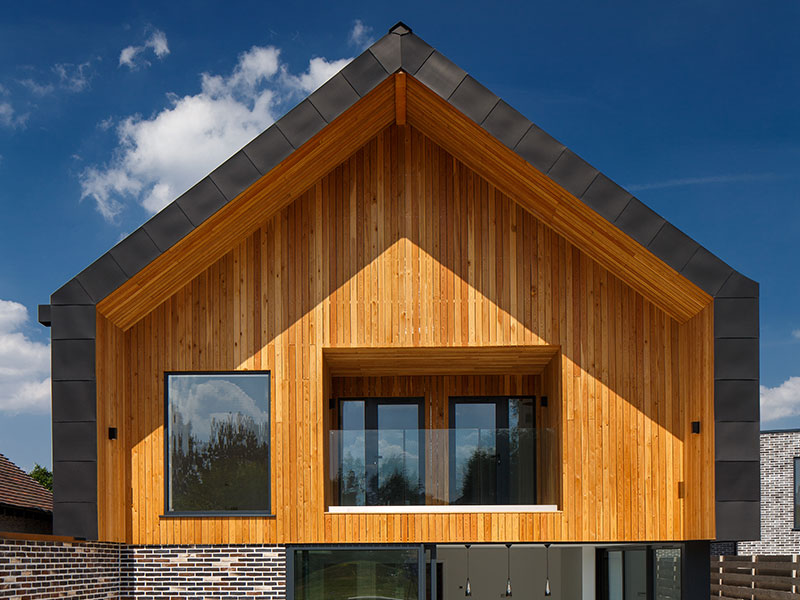
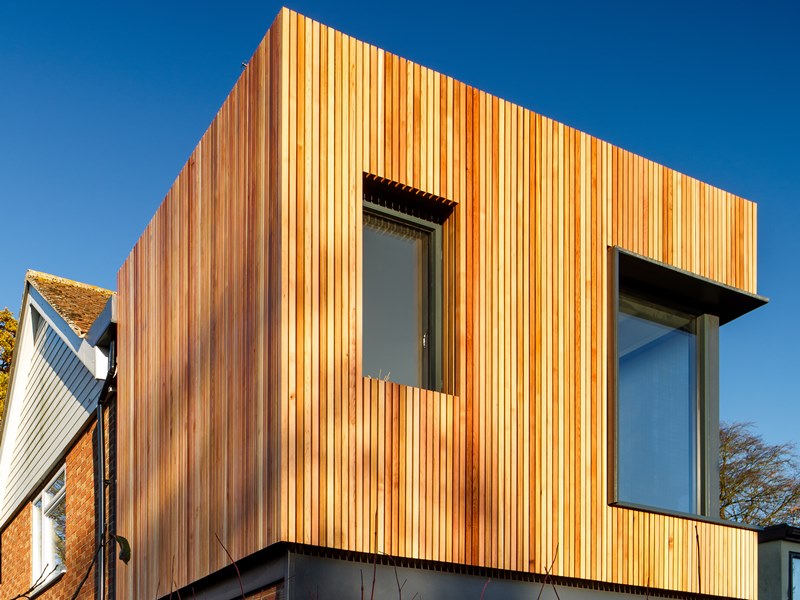
BCLarch® is our carefully sourced Western Larch, grown in responsibly managed forests in British Columbia. This species shares many of the characteristics that made Siberian Larch so desirable: it’s slow-grown, producing a dense, resin-rich timber with excellent natural resistance to rot and insect attack.
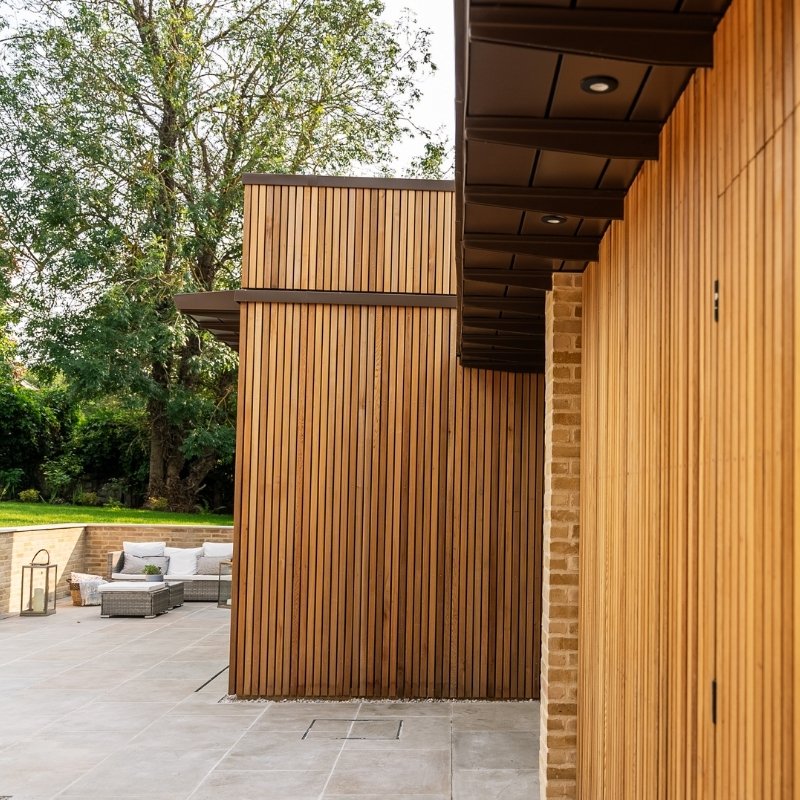
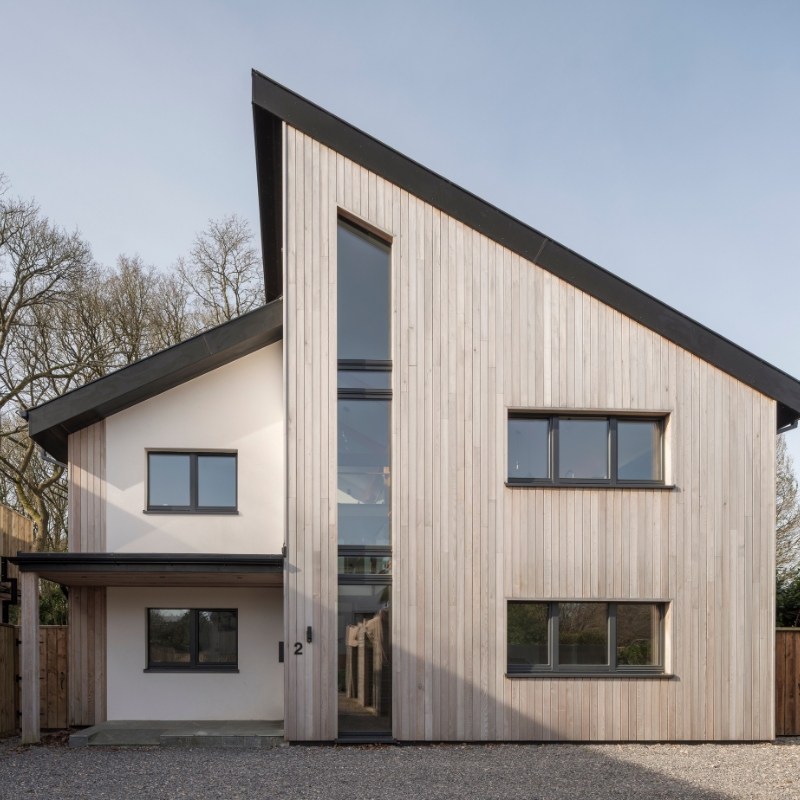
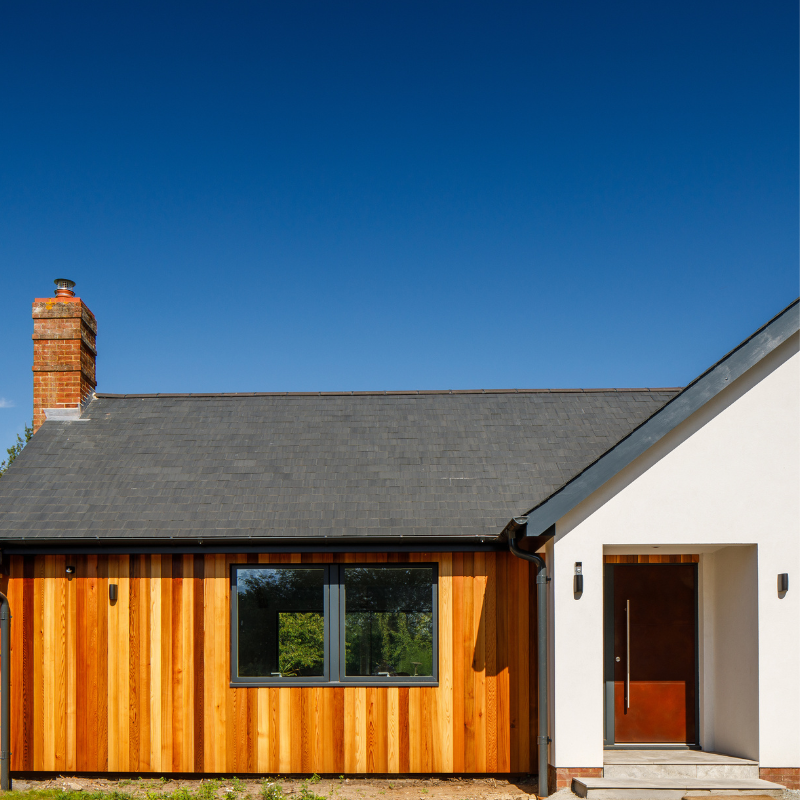
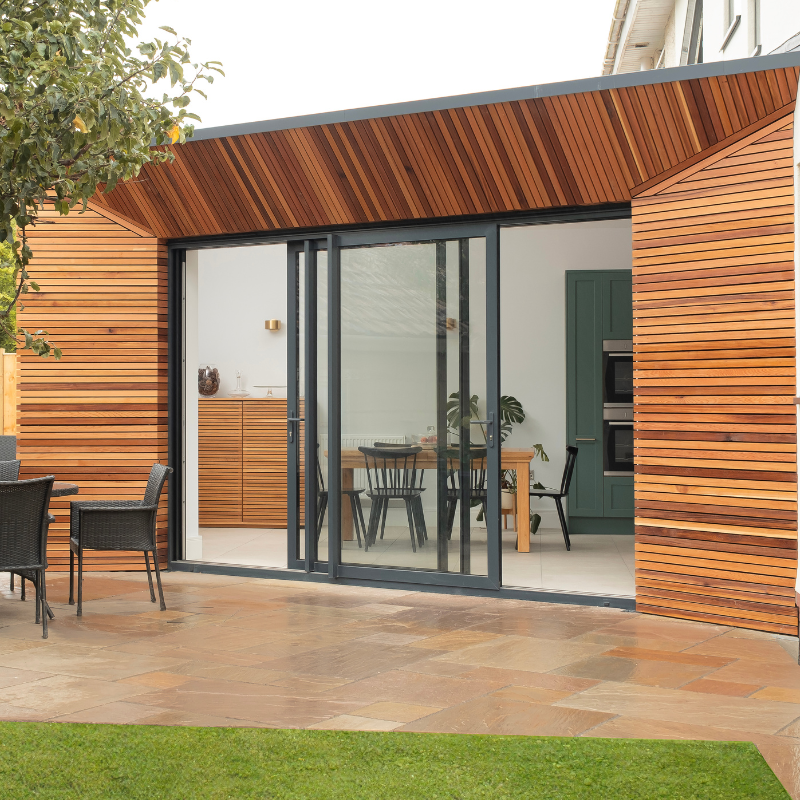
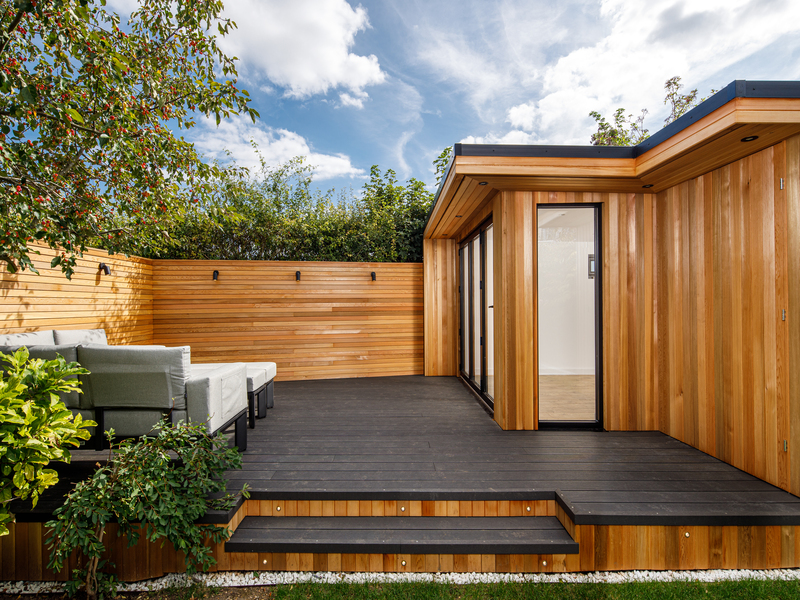
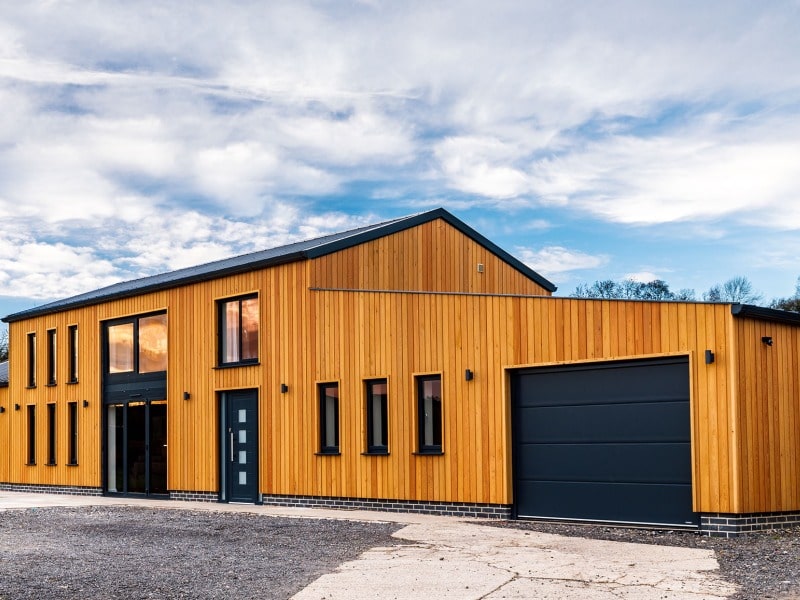
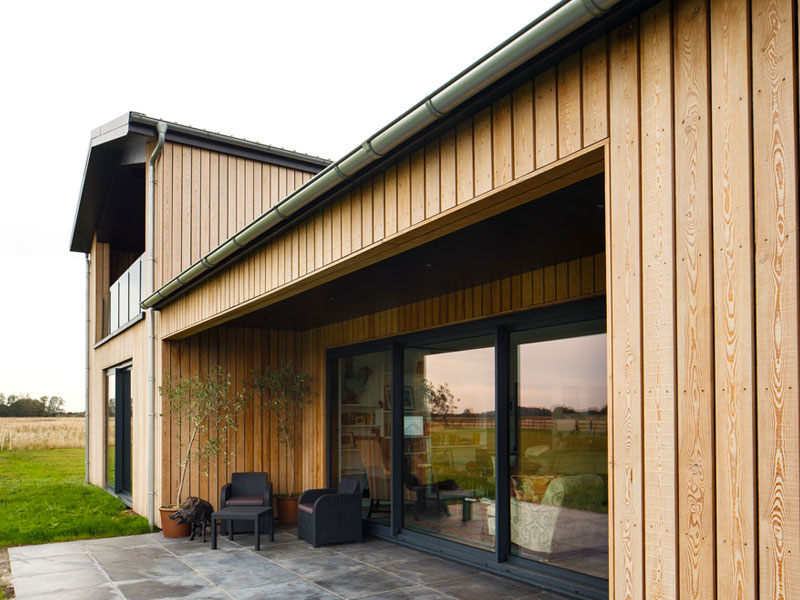
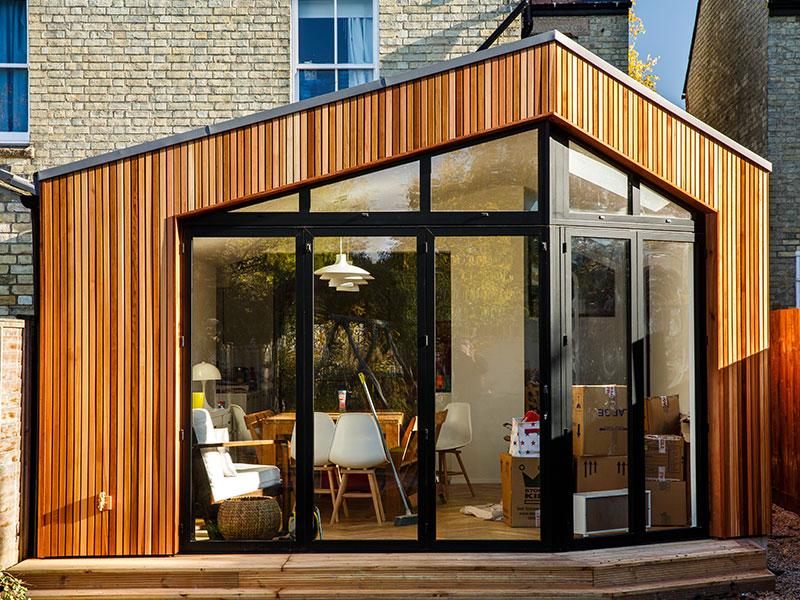
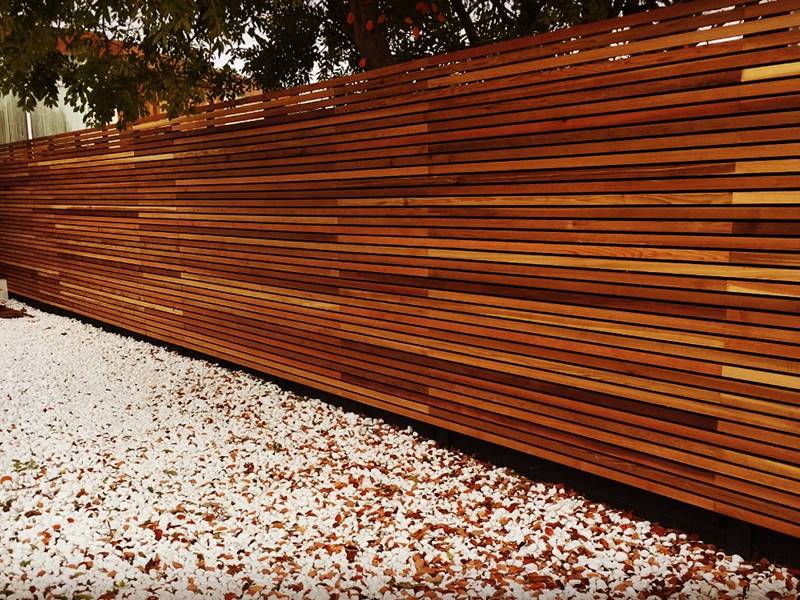
Visually, BCLarch® offers a tight, consistent grain with warm golden and reddish-brown tones. It machines well, takes coatings evenly, and performs reliably in the variable conditions of the UK climate.

ICENILarch® : Sustainable UK-grown timber cladding
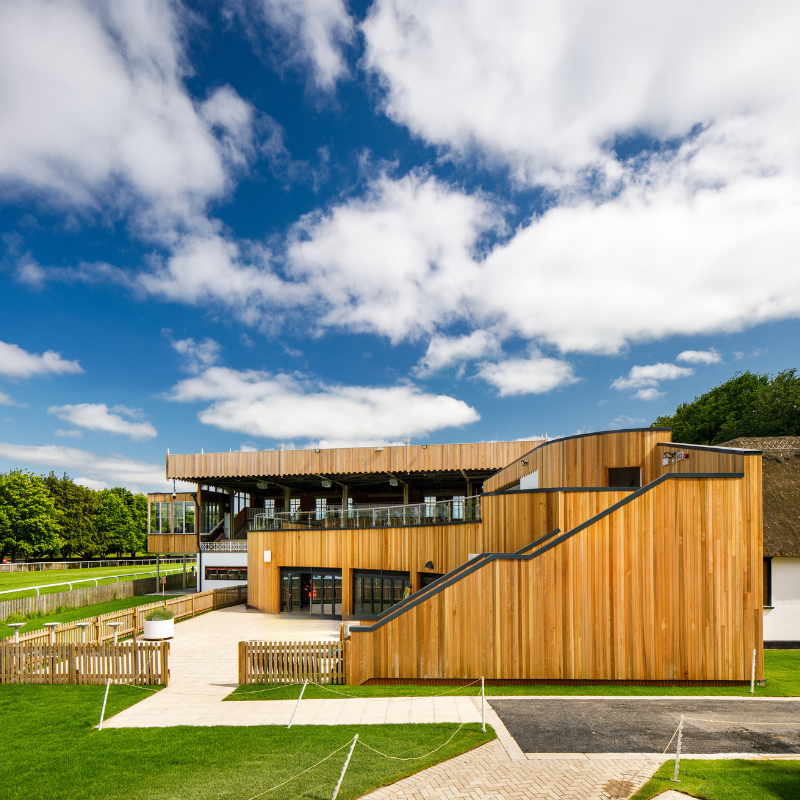
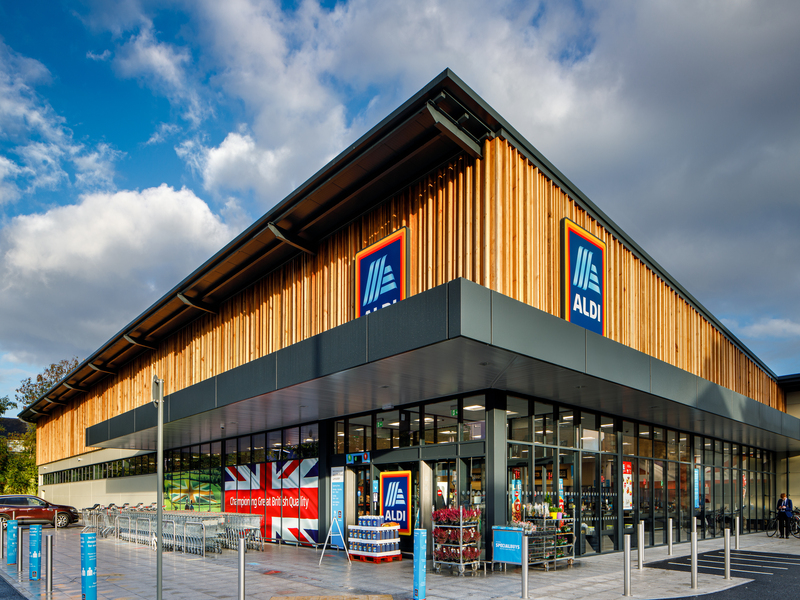
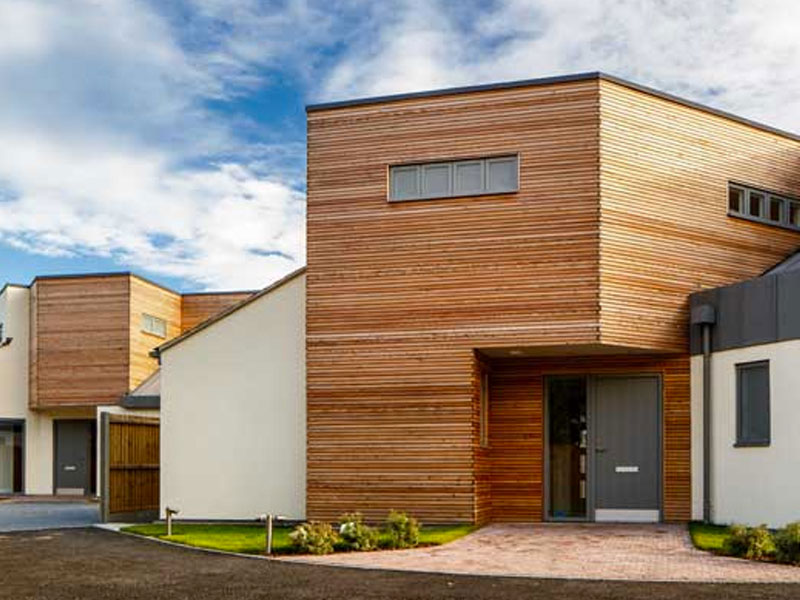
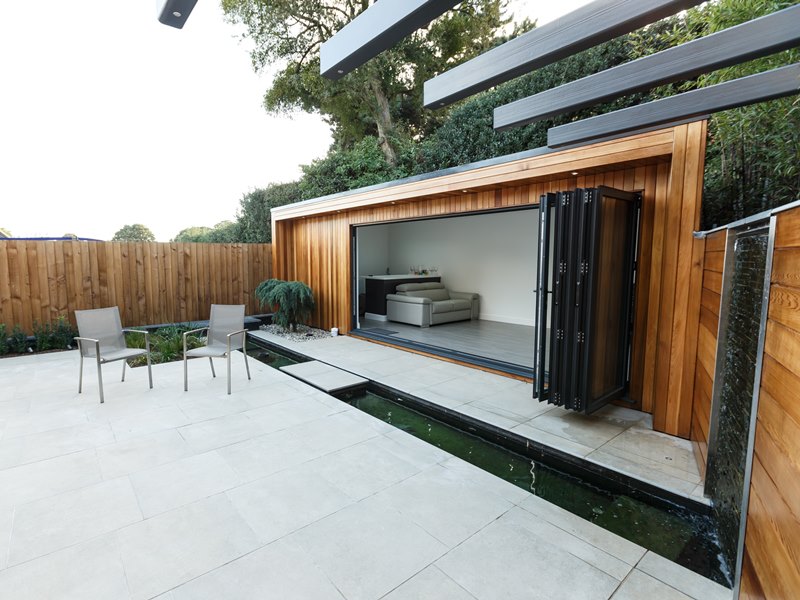
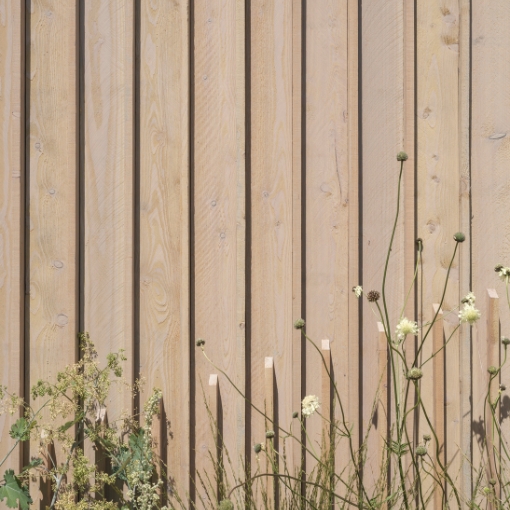
ICENILarch® is our British Larch cladding, sourced from locally managed forests. For architects and builders prioritising low-carbon construction and local supply chains, ICENILarch® offers a compelling alternative. It provides a highly sustainable solution, with significantly reduced transport emissions compared to imported species.
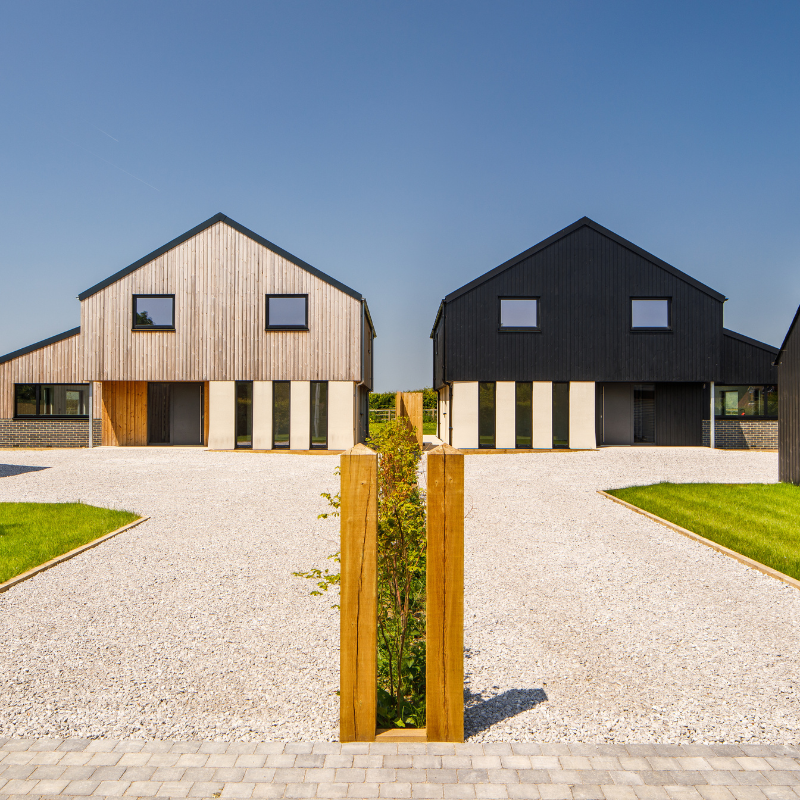
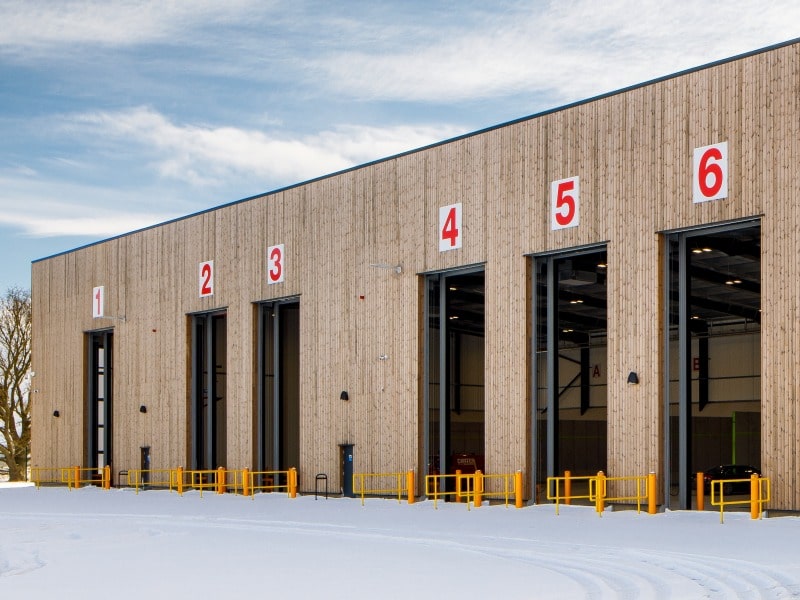
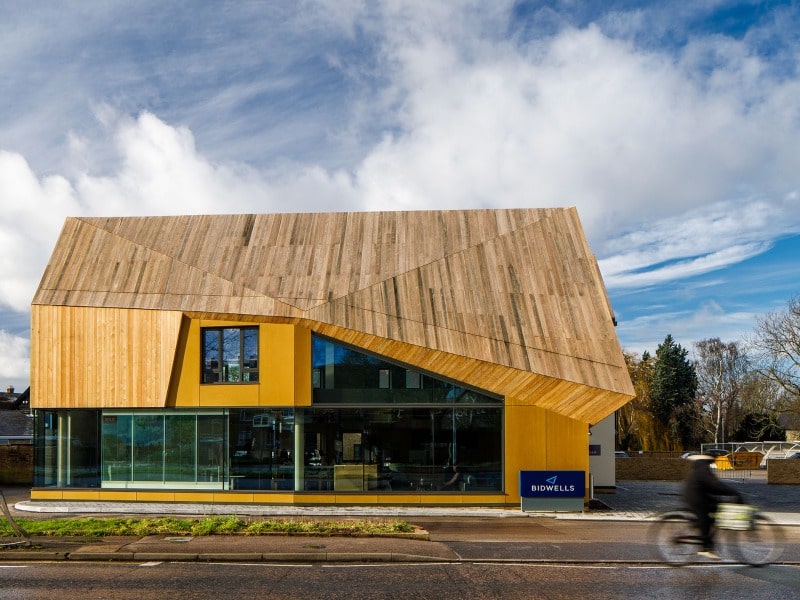
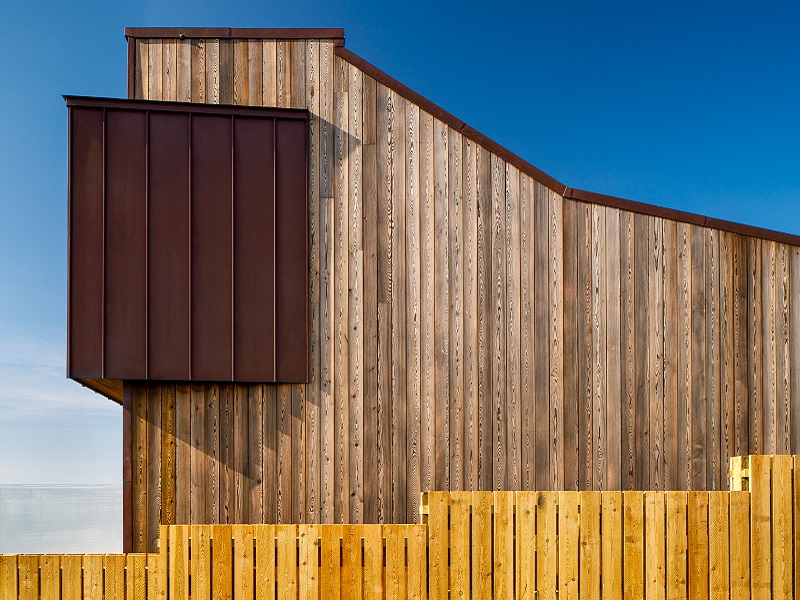
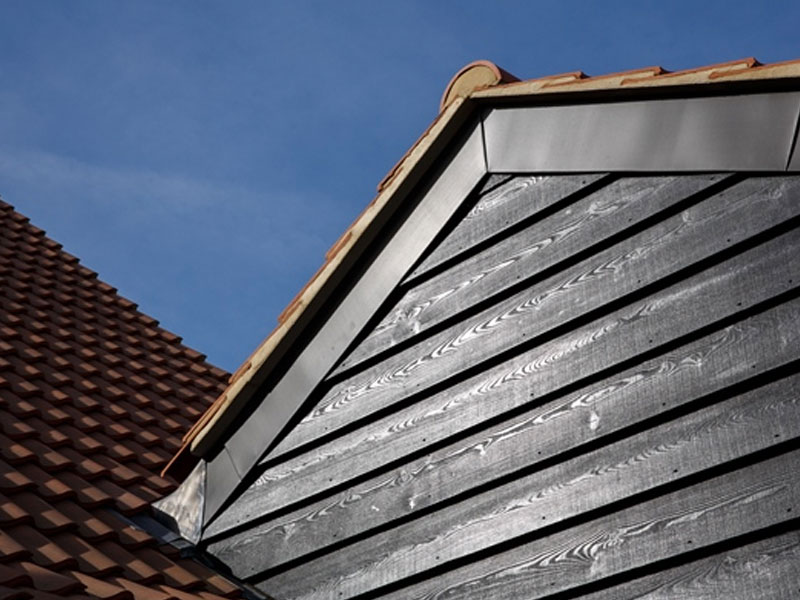
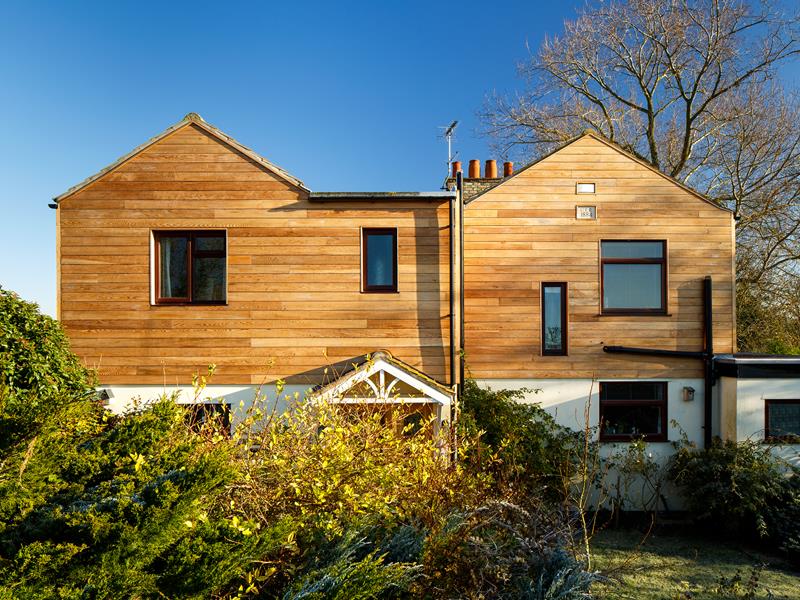
UK Larch typically features a more characterful grain and a higher knot content, resulting in a natural, rustic appearance that suits both modern and traditional designs. While British-grown Larch tends to have slightly more movement than its Canadian counterpart, correct installation, ventilation and detailing ensure long-term performance.
Finishing and protecting your timber
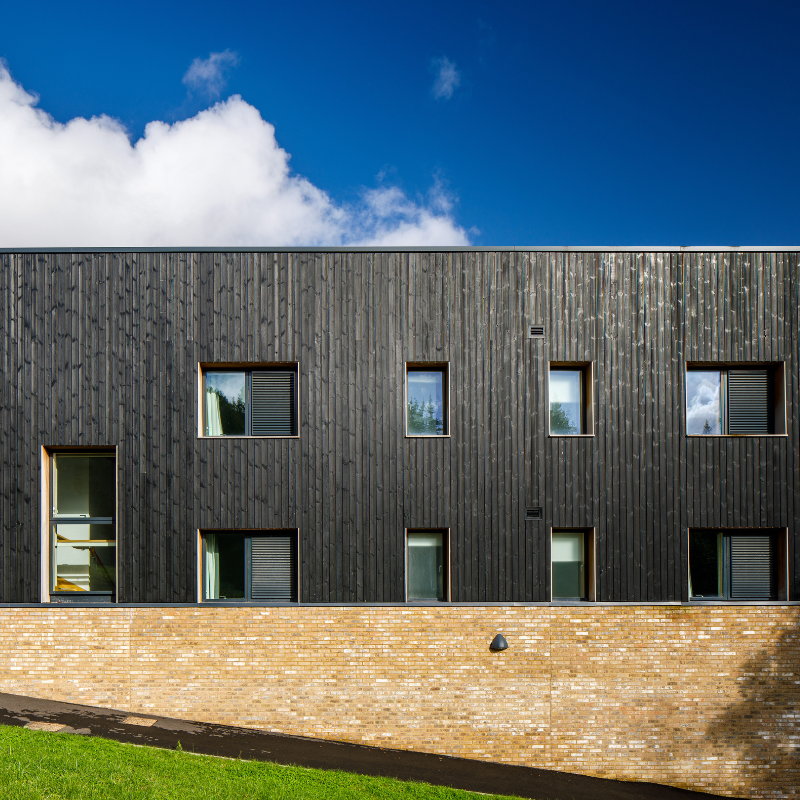
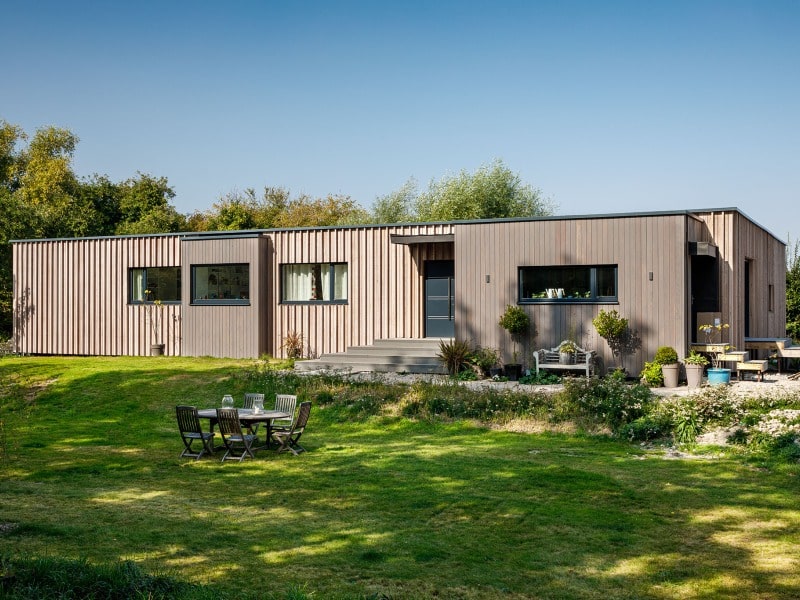
When left uncoated both BCLarch® and ICENILarch® will weather naturally to a silver-grey patina. For those seeking a uniform aged appearance with added durability, we recommend OrganoWood®, a silicon-based treatment that modifies the timber at a molecular level to improve resistance to rot, fungi, and adverse weathering.
Best colour finishes for Larch cladding
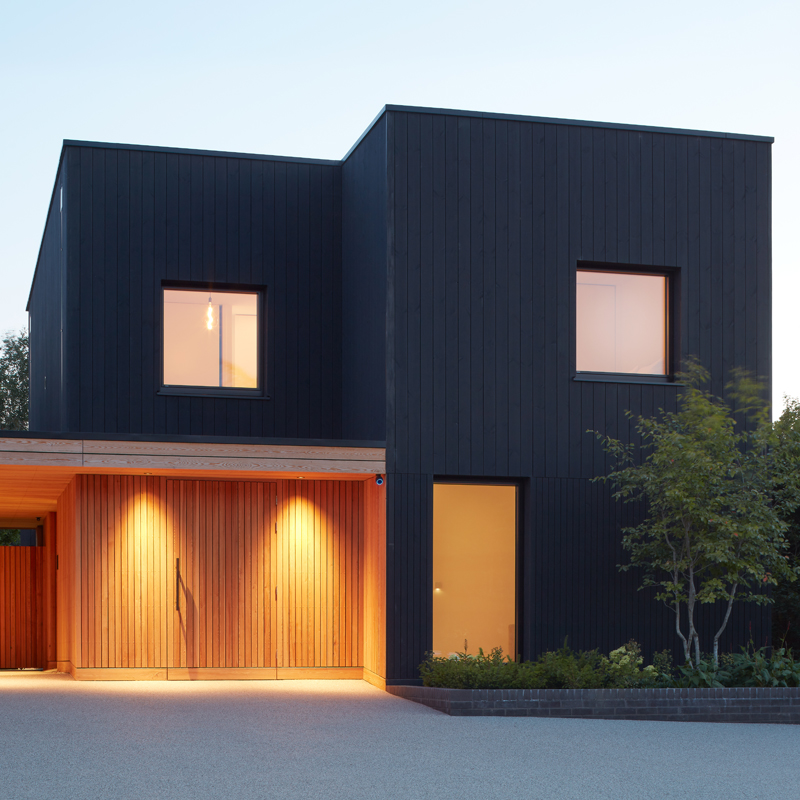
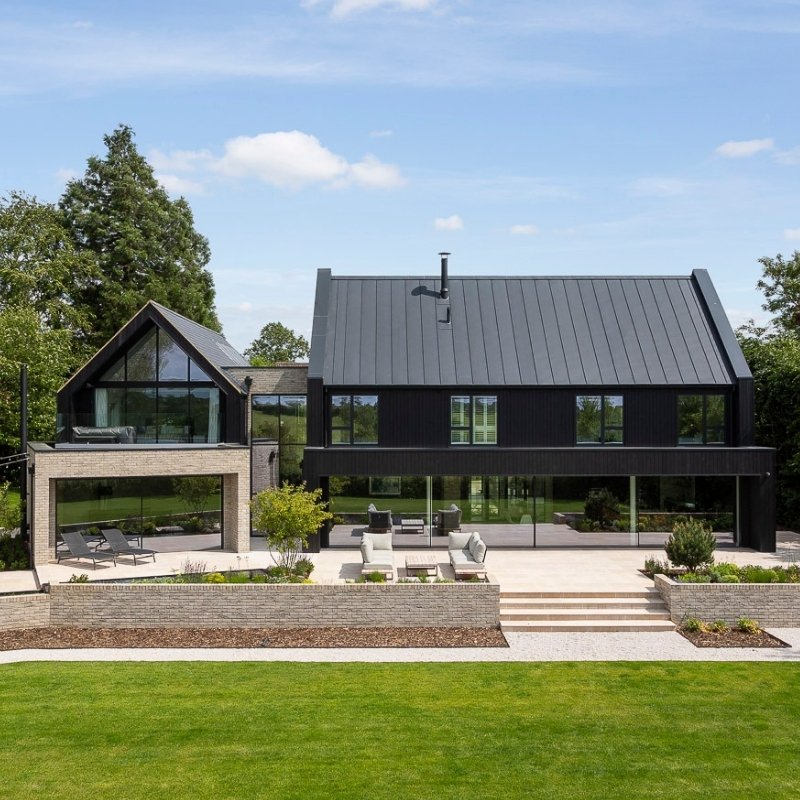
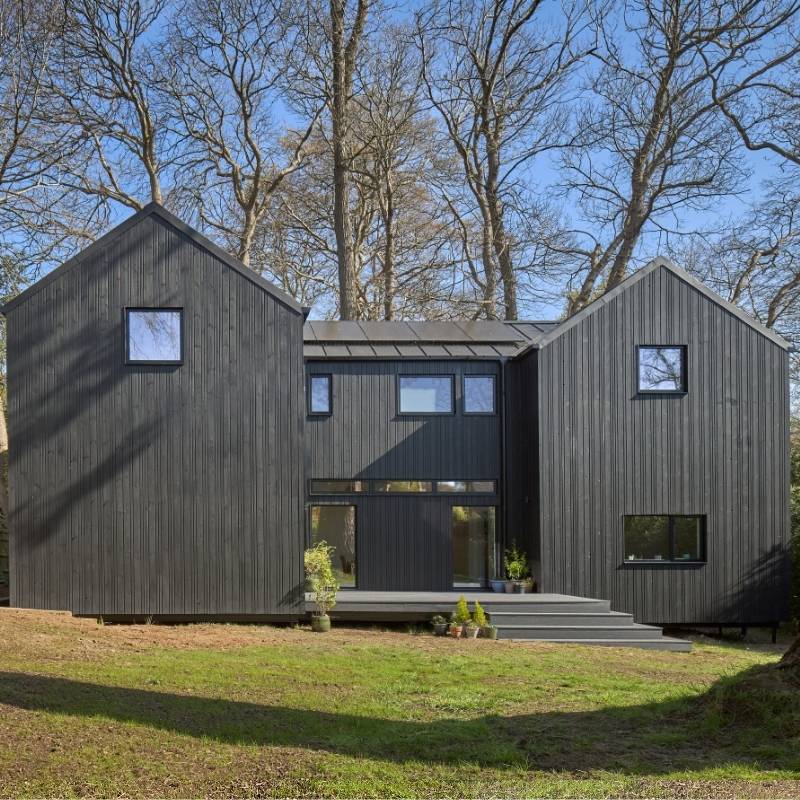
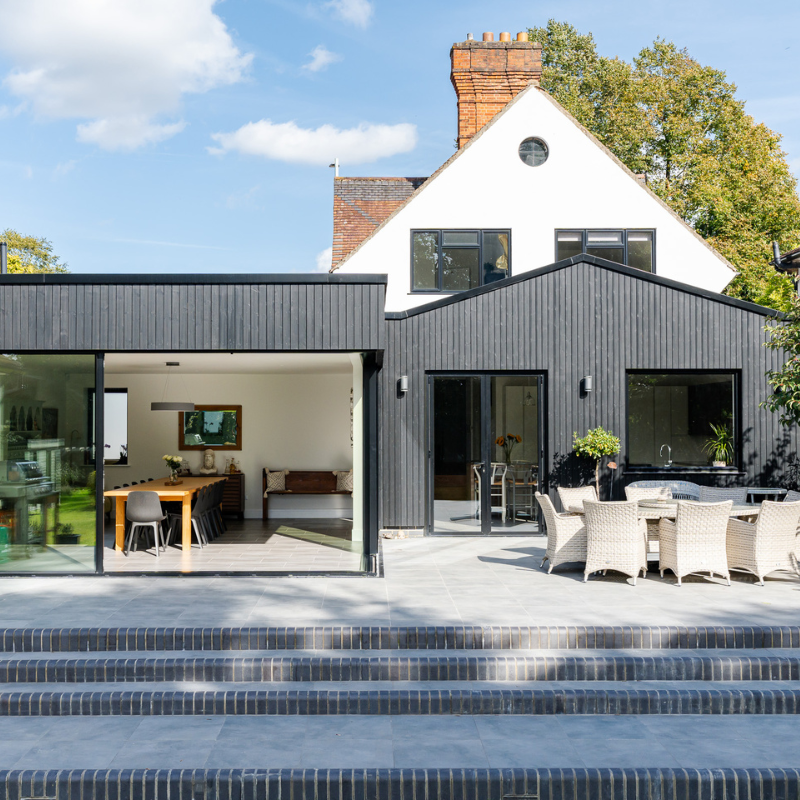
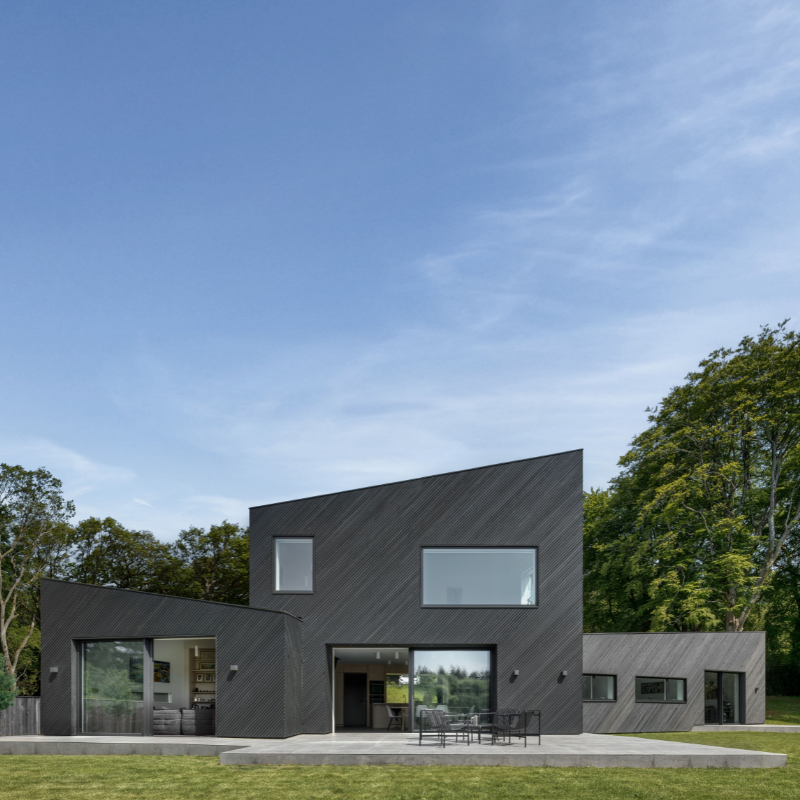
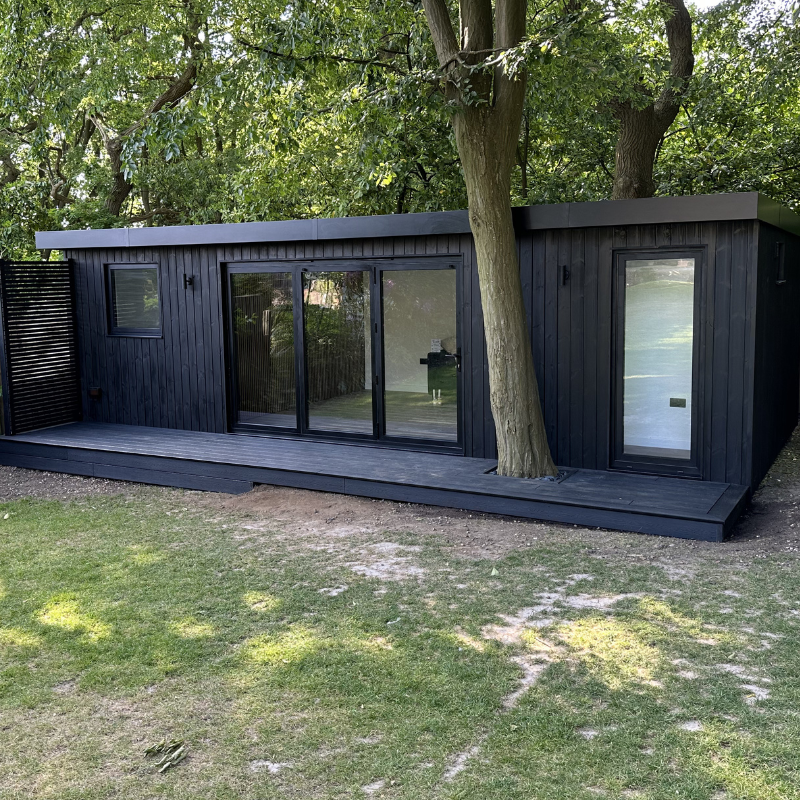
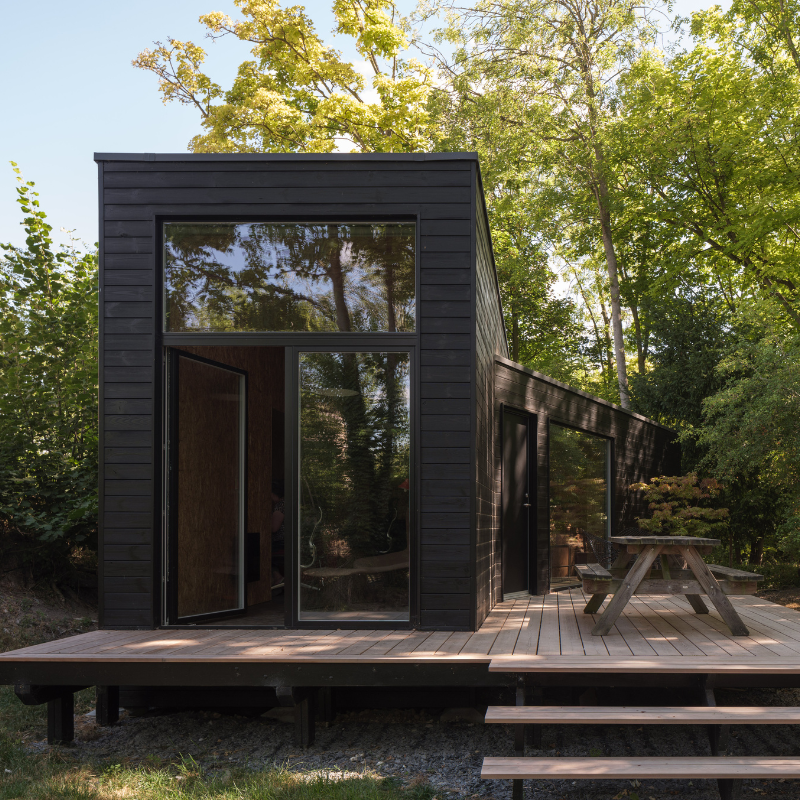
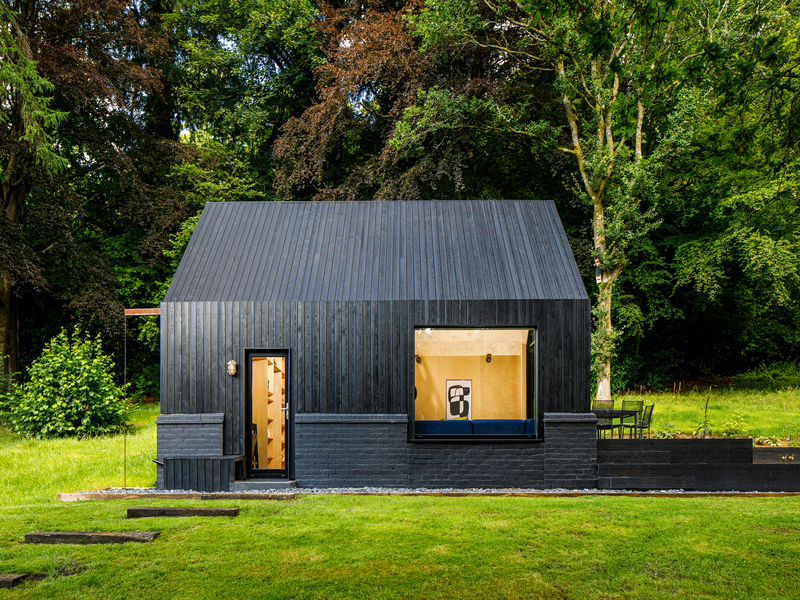
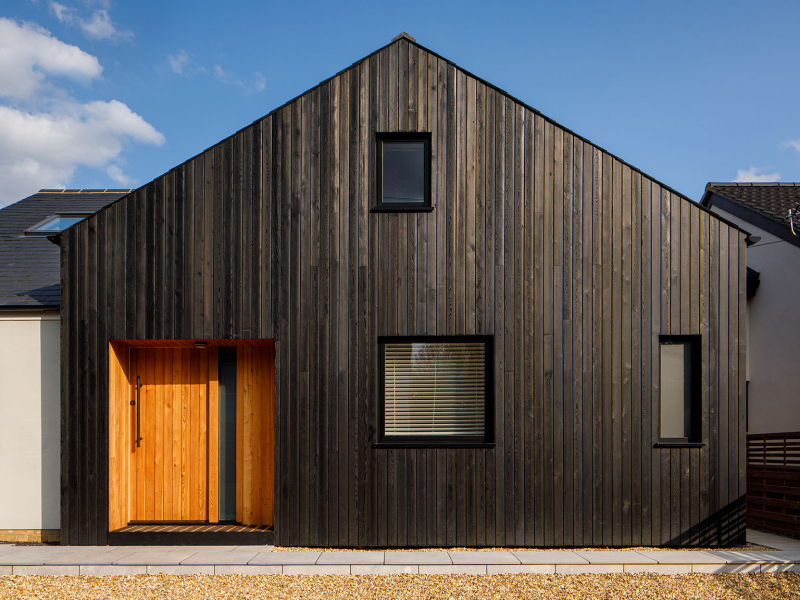
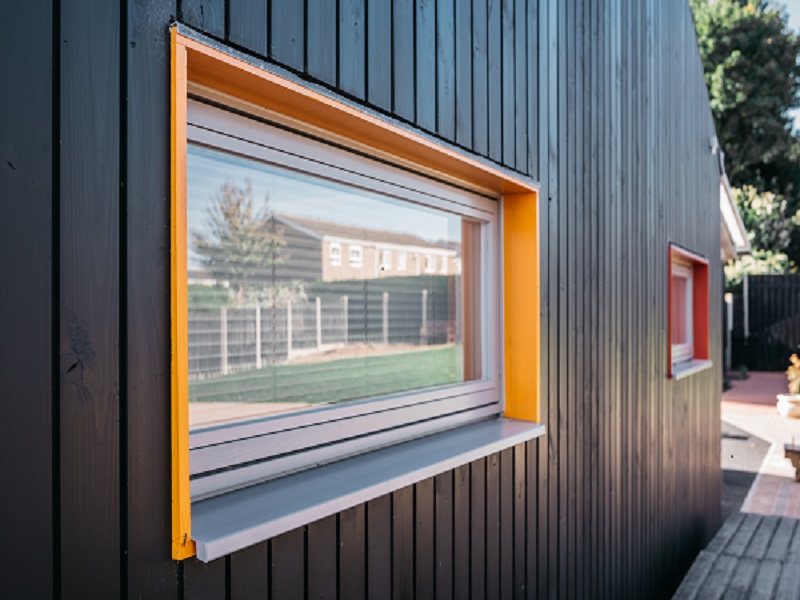
For projects requiring a colour finish, it is important to consider the thermal behaviour of the coating. Dark-coloured finishes absorb more heat, which can increase the risk of board movement such as cupping or warping. Choosing lighter tones helps to reflect heat and reduces this risk, while also extending the life of the coating itself. Both BCLarch® and ICENILarch® are fully compatible with our MillCoat® system, offering a range of factory-applied finishes.
| Siberian Larch | BCLarch® | ICENILarch® | |
|---|---|---|---|
| Availability | Unavailable | Stable supply chain | Local supply chain |
| Sustainability | Sanctioned | FSC® certified, imported | FSC® certified, UK-grown |
| Durability class | Class 3 | Class 3 | Class 3 |
| Grain & appearance | Tight, light tones | Tight, light tones | Rustic, varied tones |
| Movement | Low-moderate | Low-moderate | Moderate |
While Siberian Larch is no longer a viable option, its absence opens the door to more sustainable alternatives. Whether you’re building for longevity, targeting low-carbon construction goals, or simply seeking a natural finish that performs in the British climate, our alternative larch timber products provide a reliable solution.
To order samples, discuss technical details or request specification support, get in touch with our team at 01223 967733 or email info@millworks.co.uk.
To order samples, discuss technical details or request specification support, get in touch with our team at 01223 967733 or email info@millworks.co.uk.